
Author: wpusername6050

  • Merchant Cash Advances for Retail Businesses Guide

    Merchant Cash Advances for Retail Businesses Guide

    Merchant Cash Advances for Retail Businesses Guide

    Merchant cash advances for retail businesses give store owners a fast way to turn future card sales into cash today. Instead of waiting weeks for a bank decision, a retail shop can often see funds within a day or two. However, that speed comes with a distinct repayment structure that every owner should understand before signing.

    Quick Answer: Merchant cash advances for retail businesses provide a lump sum of working capital that is repaid through a fixed percentage of daily card or bank sales, rather than fixed monthly payments. They favor businesses with strong, consistent sales volume over those with strong credit alone.

    Retail store owner reviewing merchant cash advances for retail businesses on a tablet

    Retail owners often review sales data before applying for merchant cash advances for retail businesses.

    What Are Merchant Cash Advances for Retail Businesses?

    Merchant cash advances for retail businesses are a form of revenue-based financing built specifically around how retail stores actually earn money: through daily card swipes and register sales. In practice, a funding company purchases a portion of future sales at a discount and provides that amount upfront as working capital.

    Unlike a traditional term loan, there is no fixed interest rate. Instead, the provider applies a factor rate, a set multiplier that determines the total repayment amount. As a result, retail owners know exactly how much they will owe from day one, even though the daily payment amount can shift with sales volume.

    How Merchant Cash Advances Work for Retail Stores

    The process generally starts with a review of recent bank statements and card processing history. Because retail businesses process frequent, predictable transactions, underwriters can typically assess risk faster than they would for a business with irregular income.

    Once approved, the retailer receives a lump sum, often ranging from $30,000 to several million dollars depending on monthly revenue. Afterward, repayment begins automatically through a fixed percentage, called a holdback, deducted from daily or weekly sales until the total is satisfied.

    For example, a boutique with $60,000 in monthly card sales might see a 12% daily holdback, meaning repayment slows naturally during a quiet week and speeds up during a strong one. This flexibility is precisely why many seasonal shops find this structure workable, according to the guidance available on USA Patriot Loans.

    Benefits of Retail Business Cash Advances

    Retail business cash advances offer several practical advantages, particularly for stores that need capital quickly. Above all, speed stands out: funding can arrive within 24 to 48 hours, which matters when a retailer needs to restock inventory before a busy season.

    In addition, approval standards are more forgiving than traditional bank underwriting. Because sales history matters more than personal credit score, a store with a 550 credit score but strong monthly deposits can still qualify. Similarly, there is no fixed collateral requirement, which reduces risk to physical assets.

    Consequently, many retailers use advances for short-term needs such as payroll gaps, seasonal inventory purchases, or unexpected equipment repairs. For a closer look at related short-term options, this guide on getting capital in 24 to 48 hours outlines comparable fast-funding paths.

    Point-of-sale card reader used to track daily sales for retail financing

    Daily card sales data plays a central role in how retail financing providers calculate repayment.

    Costs and Factor Rates Explained

    Understanding cost is essential before committing to any advance. Factor rates typically range from 1.1 to 1.5, meaning a $50,000 advance might require repaying between $55,000 and $75,000 in total. Therefore, comparing factor rates across providers is one of the most important steps a retailer can take.

    According to the Federal Reserve’s 2023 Small Business Credit Survey, roughly 20% of small businesses that sought financing turned to online lenders or alternative products, often citing speed as the deciding factor over cost. This underscores why many retailers accept a higher cost structure in exchange for faster access to capital.

    It also helps to remember that the total repayment amount is fixed once terms are set. So, paying the balance off early typically does not reduce the total owed unless the provider explicitly offers an early payoff discount.

    Qualifying for a Retail Merchant Cash Advance

    Qualification standards for a retail merchant cash advance are notably more flexible than those for a bank term loan. Most providers look for at least $20,000 in average monthly revenue, three or more months in business, and consistent bank deposits.

    Meanwhile, credit score requirements remain relatively low compared to conventional financing. Many providers accept scores in the 500 to 550 range because the underwriting focus stays on sales performance rather than personal credit history alone.

    Retailers preparing to apply should organize the following before submitting a request:

    Step-by-Step: How to Apply for a Merchant Cash Advance

    1. Gather financial documents. Collect three to six months of bank statements, a voided check, and business identification to demonstrate consistent sales revenue.
    2. Calculate average monthly revenue. Add up recent deposits and card processing totals to estimate a realistic, repayable funding amount for your retail store.
    3. Compare factor rates and offers. Request quotes from several providers and compare factor rates, holdback percentages, and repayment terms side by side.
    4. Submit the application. Complete the provider’s form and upload supporting documents so underwriters can verify sales history quickly and accurately.
    5. Review contract terms. Carefully read the factor rate, holdback percentage, and any renewal clauses before signing the agreement.
    6. Receive funds and begin repayment. Funds usually deposit within one to three business days, after which automatic repayment deductions begin from daily sales.

    Merchant Cash Advances vs Other Retail Financing Options

    Retail owners often weigh a cash advance against alternatives such as a business line of credit, working capital loan, or term loan. In contrast to a term loan’s fixed monthly payment, a cash advance’s repayment flexes with sales, which can help during slow months but may also extend cost if sales dip for long stretches.

    For businesses that prefer predictable structured payments, a resource on qualifying quickly for working capital loans may be worth reviewing. Similarly, businesses weighing ongoing flexible access to funds might explore the differences outlined in revenue-based financing versus other options.

    On the other hand, retailers needing funds for specific equipment purchases or payroll timing gaps might find a better fit through the options described in quick funding for equipment and payroll.

    Common Mistakes Retail Owners Make With Cash Advances

    One frequent mistake involves stacking multiple advances at once, which can quickly overwhelm daily cash flow. Because each advance takes a percentage of sales, layering several at the same time can leave little revenue for operating expenses.

    Another common error is skipping a side-by-side comparison of factor rates. Since even a small difference, such as 1.2 versus 1.4, translates into thousands of dollars in additional cost, comparison shopping matters significantly.

    Finally, some retailers underestimate their break-even sales volume needed to comfortably cover the daily holdback. Before signing, it helps to run projections against both strong and slow sales months to confirm the advance remains manageable.

    Is a Merchant Cash Advance Right for Your Retail Business?

    Ultimately, merchant cash advances for retail businesses tend to work best for stores with strong, consistent card sales that need capital quickly and cannot wait on traditional bank timelines. Conversely, businesses with thin margins or highly unpredictable revenue should weigh the total repayment cost carefully before committing.

    For a broader comparison of fast-approval financing paths available to retailers, this overview of small business loans with fast approval and minimal paperwork offers useful additional context. As always, reviewing terms directly with a lender, such as through USA Patriot Loans, helps clarify actual costs for a specific business situation.

    Small retail storefront representing a business considering financing options

    Consistent foot traffic and sales volume often determine retail financing eligibility.

    Frequently Asked Questions

    What are merchant cash advances for retail businesses?

    Merchant cash advances for retail businesses are lump-sum advances repaid through a fixed percentage of daily card or bank sales. They are not technically loans, since repayment scales with revenue rather than a set monthly payment.

    How do merchant cash advances work for retail stores?

    A retail store receives a lump sum upfront, then repays it plus a factor fee through automatic daily or weekly deductions from sales. As sales rise or fall, the repayment amount adjusts along with them.

    Why do retail businesses use merchant cash advances instead of bank loans?

    Retail businesses often choose cash advances because approval relies on sales history rather than collateral or a high credit score. Funding also arrives much faster, sometimes within 24 to 48 hours.

    How much do merchant cash advances cost?

    Costs are expressed as a factor rate, typically between 1.1 and 1.5, meaning a $50,000 advance could require repaying $55,000 to $75,000. The total cost depends on sales volume, time in business, and industry risk.

    How fast can a retail business get a merchant cash advance?

    Many retail merchant cash advances fund within one to three business days after approval. Some lenders, including same-day funding providers, can deposit funds the same day documents are verified.

    What credit score do you need for a merchant cash advance?

    Most providers accept credit scores as low as 500 to 550 because approval is based primarily on sales revenue. Strong monthly deposits can outweigh a lower personal credit score.

    How is a merchant cash advance different from a business loan?

    A business loan has a fixed term, fixed payments, and interest charges, while a cash advance uses a factor rate and repayment tied to daily sales. Loans generally require stronger credit and longer approval timelines.

    What documents are required to apply for a retail merchant cash advance?

    Lenders typically request three to six months of bank statements, a voided business check, and basic business identification. Some also request point-of-sale reports to verify daily card sales.

    What are common mistakes retail owners make with merchant cash advances?

    A frequent mistake is stacking multiple advances at once, which can strain daily cash flow beyond what sales can support. Another is failing to compare factor rates across providers before signing.

    Can a retail business with bad credit qualify for a merchant cash advance?

    Yes, retail businesses with bad credit often qualify because underwriting focuses on consistent sales deposits rather than credit history alone. Approval still depends on adequate monthly revenue.

    What is a factor rate and how does it affect repayment?

    A factor rate is a fixed multiplier applied to the advance amount to determine total repayment, rather than a traditional interest rate. A 1.3 factor rate on $30,000 means $39,000 must be repaid regardless of how quickly it is paid off.

    Are merchant cash advances a good fit for seasonal retail businesses?

    Merchant cash advances can suit seasonal retail businesses because repayment naturally shrinks during slower sales periods and grows during peak seasons. This flexibility helps avoid the strain of a fixed monthly loan payment during off-peak months.

    How much funding can a retail business receive through a merchant cash advance?

    Retail businesses can typically access advances ranging from $30,000 up to several million dollars, depending on monthly revenue and processing volume. Larger, established retailers with strong sales history generally qualify for higher amounts.

    Final Thoughts

    In summary, merchant cash advances for retail businesses can provide a genuinely fast, flexible bridge for stores that need capital quickly and generate steady daily sales. However, the cost structure means comparison shopping and careful cash flow planning matter just as much as speed of approval.

    Before committing to any provider, it is worth reviewing your monthly revenue, comparing factor rates, and confirming the daily holdback fits comfortably within your operating budget. For retailers ready to explore options further, resources such as the USA Patriot Loans lending overview and the U.S. Small Business Administration’s funding programs guide offer additional context for comparing financing paths. You can also review background on the mechanics of these products via Wikipedia’s overview of merchant cash advances and industry lending data from the Federal Reserve’s Small Business Credit Survey.
  • Short Term Business Loans With Low Interest in 2026

    Short Term Business Loans With Low Interest in 2026

    Short Term Business Loans With Low Interest in 2026

    Short term business loans with low interest give established small business owners a fast, cost-effective way to cover payroll, inventory, or unexpected expenses without committing to years of debt. Instead of accepting the first cash advance offer that arrives in an inbox, business owners can compare rates, terms, and funding speed to find a loan that actually protects their cash flow.

    Direct answer: Short term business loans with low interest are financing products, usually repaid within three months to three years, that carry a lower annual percentage rate than merchant cash advances. They suit established businesses with steady revenue that need capital quickly without paying premium borrowing costs.

    What Are Short Term Business Loans With Low Interest?

    Short term business loans with low interest are lump-sum financing products, typically ranging from $30,000 to several million dollars, that businesses repay over a period of three months to three years. Because the repayment window is short, lenders often price these loans lower than long-duration alternative financing, provided the borrower shows consistent monthly revenue.

    In contrast to a annual percentage rate (APR, the yearly cost of borrowing expressed as a percentage) attached to a credit card or merchant cash advance, a well-structured short-term loan usually carries a more transparent, predictable cost. Furthermore, many lenders publish factor rates or simple interest terms that make comparison shopping easier for busy owners.

    How Low-Interest Short-Term Financing Works

    Lenders underwrite short-term loans by weighing monthly revenue, time in business, and credit history rather than relying solely on collateral. As a result, businesses generating at least $20,000 per month in revenue typically see the most competitive pricing, since consistent cash flow signals lower default risk.

    Repayment usually happens through daily, weekly, or monthly automatic withdrawals from a business bank account. Consequently, cash flow planning matters just as much as the advertised rate. For a deeper breakdown of how banks and alternative lenders calculate pricing, this guide to bank interest rates for small business loans explains the factors that move rates up or down.

    Business owner reviewing short term business loans with low interest agreement at desk

    Reviewing the full repayment schedule helps borrowers confirm they are getting short term business loans with low interest, not just a low headline rate.

    Who Qualifies for Short-Term Small Business Loans?

    Established businesses with at least six months of operating history and steady monthly deposits tend to qualify for the best pricing. Specifically, lenders look for consistent revenue, a manageable debt load, and a credit score that shows responsible repayment behavior.

    Above all, documented cash flow matters more than a perfect credit score for many alternative lenders. In particular, businesses generating $20,000 or more in monthly revenue are generally strong candidates for working capital loans, lines of credit, or short-term term loans. Business owners exploring their options can review how to qualify quickly for working capital loans to understand documentation requirements before applying.

    According to the U.S. Small Business Administration, SBA 7(a) loan interest rates are capped at a margin over the prime rate, ranging from roughly prime plus 2.25% to prime plus 4.75% depending on loan size and term. This structure illustrates why loan size and repayment length directly influence the final rate a business receives.

    Comparing Short-Term Loans vs Other Fast Funding Options

    Not every fast-funding product fits every business. Therefore, comparing structures side by side helps owners avoid overpaying for speed.

    Funding Type Typical Term Best For
    Short-Term Business Loan 3 months–3 years One-time projects, expansion, payroll gaps
    Business Line of Credit Revolving Recurring cash flow gaps
    Merchant Cash Advance Weeks–months Urgent needs, higher risk tolerance
    Equipment Financing 1–5 years Purchasing machinery or vehicles

    In contrast to a merchant cash advance, a short-term loan with a fixed schedule generally offers more predictable repayment. For a broader look at products with fast approval and minimal paperwork, this overview of small business loans with fast approval compares several options in more detail.

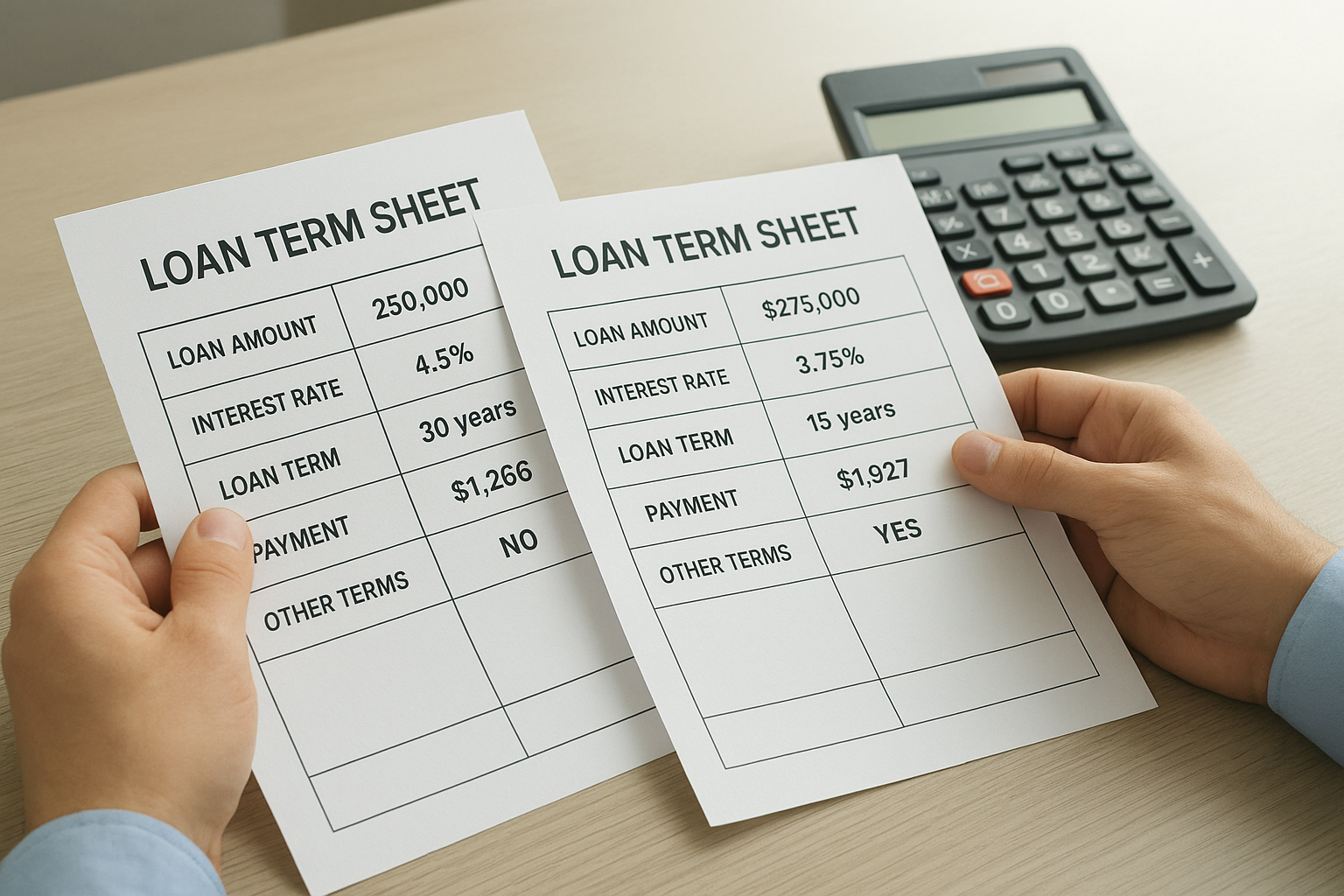
    Comparing loan term sheets to find short term business loans with low interest

    Side-by-side comparisons make it easier to spot which offers qualify as short term business loans with low interest. For a deeper walkthrough, see our What Do I Need to Qualify for a Business Loan?.

    Steps to Get Short Term Business Loans With Low Interest Rates

    Securing favorable pricing takes a bit of preparation. The following process outlines what most lenders expect from applicants.

    1. Review your financial documents. Gather at least three to six months of bank statements, recent tax returns, and a profit and loss summary so lenders can quickly evaluate your monthly revenue and repayment capacity.
    2. Check your credit profile. Pull your personal and business credit reports to identify your current score range, since this directly influences which lenders will offer the lowest available interest rates.
    3. Compare multiple lenders. Request quotes from at least three financing sources, comparing the annual percentage rate, total repayment amount, term length, and any origination or prepayment fees side by side.
    4. Submit your application. Complete the lender’s application with accurate revenue figures and supporting documents, since inconsistent information can delay approval or result in a less favorable rate offer.
    5. Review terms before signing. Read the full repayment schedule, confirm the total cost of borrowing, and clarify any prepayment penalties before accepting funds so there are no surprises during repayment.

    For a walkthrough of the full funding process, from application to disbursement, see this guide on how to get a small business financing loan funded fast. For a deeper walkthrough, see our SBA Small Business Loan Guide: Rates, Terms & How to Qualify.

    Common Mistakes to Avoid When Seeking Low-Interest Funding

    Even well-run businesses make avoidable errors when shopping for financing. For instance, accepting the first offer without comparing at least two or three alternatives often means overpaying.

    Similarly, some owners focus only on the headline rate and overlook origination fees, prepayment penalties, or daily withdrawal amounts that strain cash flow. In addition, applying with incomplete bank statements can slow approval or push a lender toward a higher-risk, higher-cost offer. Consequently, organizing documentation ahead of time and reading the full contract before signing remain two of the simplest ways to protect a business’s bottom line.

    Small business owner checking inventory funded by a short-term loan

    Well-planned financing helps business owners restock inventory without disrupting daily cash flow.

    Frequently Asked Questions

    What are short term business loans with low interest?

    Short term business loans with low interest are financing products, typically repaid within three months to three years, that carry a lower annual percentage rate than merchant cash advances or high-cost alternative funding. They give qualified businesses fast capital without the long-term commitment of a traditional term loan.

    How do short-term business loans differ from long-term loans?

    Short-term loans are repaid in months rather than years and usually fund faster with less documentation. Long-term loans, such as SBA 7(a) loans, spread payments over five to twenty-five years and often require more collateral and paperwork.

    Why do lenders offer lower interest rates on some short-term loans?

    Lenders reduce rates for borrowers with strong revenue, solid credit, and consistent cash flow because the perceived risk is lower. Businesses that demonstrate reliable repayment history typically qualify for the most competitive pricing available.

    How much can I borrow with a short-term business loan?

    Loan amounts generally range from $30,000 to several million dollars, depending on the lender and the business’s monthly revenue. Most short-term lenders want to see at least $20,000 in monthly gross revenue before approving larger amounts.

    How fast can I get approved for low-interest short-term funding?

    Many online and alternative lenders approve applications within 24 to 48 hours and can fund same-day once documents are verified. Traditional bank loans and SBA products usually take longer, often two to eight weeks.

    What credit score is needed to qualify?

    Many alternative lenders accept credit scores in the mid-600s, though the lowest rates typically go to borrowers above 680. Strong business revenue can sometimes offset a lower personal credit score.

    What documents are required to apply?

    Most lenders request recent bank statements, a government-issued ID, proof of business ownership, and basic financial statements. Some short-term products require minimal paperwork compared to bank or SBA loans.

    Are short term business loans with low interest better than a business line of credit?

    It depends on the need: a term loan delivers a lump sum for a specific project, while a line of credit offers revolving access to funds as needed. Businesses with recurring cash flow gaps often prefer a line of credit, while one-time purchases suit a term loan.

    What is the average cost of a short-term business loan?

    Costs vary widely by lender type, risk profile, and loan structure, so businesses should compare the total repayment amount, not just the advertised rate. Requesting a full cost breakdown before signing helps avoid surprises.

    What common mistakes should I avoid when applying?

    Common mistakes include accepting the first offer without comparing rates, underestimating repayment obligations, and ignoring prepayment penalties. Reviewing the full repayment schedule before signing helps prevent cash flow strain later.

    Can a startup qualify for low-interest short-term financing?

    Most low-interest short-term products require at least six months to a year of operating history and consistent monthly revenue. Newer businesses may need to explore equipment financing or invoice financing instead until they build a track record.

    What is the best way to compare lenders?

    Compare the annual percentage rate, total repayment amount, fees, and funding speed across at least three lenders. Reading the full contract terms, not just the marketing rate, ensures an accurate comparison.

    Do short-term loans require collateral?

    Many short-term business loans are unsecured, relying on revenue and credit rather than collateral, though some lenders may require a personal guarantee. Secured options, like equipment financing, use the purchased asset as collateral instead.

    How does revenue affect loan pricing?

    Higher and more consistent monthly revenue generally leads to better pricing because it signals lower default risk to the lender. Seasonal or inconsistent revenue may result in higher rates or shorter repayment terms.

    Final Thoughts

    Finding short term business loans with low interest ultimately comes down to preparation: organized financial documents, a clear understanding of credit standing, and a willingness to compare more than one lender before signing. As shown throughout this guide, the businesses that secure the best pricing are typically those with consistent monthly revenue and a documented repayment history.

    Therefore, before accepting the first funding offer that arrives, take time to review the total repayment amount, not just the headline rate. Business owners exploring their options nationwide can visit USA Patriot Loans to compare working capital, SBA, and short-term financing solutions built for established small and medium-sized businesses.

  • Hard Money Lending in Florida: Complete 2026 Guide

    Hard Money Lending in Florida: Complete 2026 Guide

    Hard money lending in Florida offers fast, asset-based financing for business owners and real estate investors who cannot wait for traditional bank underwriting. Unlike conventional loans, these short-term loans rely mainly on the value of collateral, often commercial or investment property, rather than a borrower’s credit score. As a result, Florida hard money lenders can close in days instead of months. However, understanding how hard money lending in Florida actually works is essential before signing any agreement.

    What Is Hard Money Lending in Florida?

    Hard money lending in Florida is a short-term, collateral-backed loan typically issued by private lenders instead of banks. The loan amount is based on the value of pledged property or business assets, and approval usually happens within days rather than weeks.

    In practice, this type of financing fills a gap that traditional banks often cannot. For example, an investor buying a distressed commercial property may need to close before a bank could even finish reviewing the file. According to Wikipedia’s overview of hard money loans, this financing model dates back decades and remains popular specifically because underwriting focuses on collateral value, not personal credit history.

    How Florida Hard Money Loans Work

    Florida hard money loans generally follow a simple structure. A private lender or fund evaluates the collateral, sets a loan-to-value ratio, and issues a term loan, often between six and 24 months. Additionally, most agreements include interest-only payments with a balloon payment due at maturity.

    Because underwriting is streamlined, borrowers should expect higher rates and shorter terms compared with bank financing. In contrast to an SBA loan, which may take 30 to 90 days to fund, a hard money deal in Florida can often close within a week. For business owners weighing every fast-funding option, it also helps to review what are the best business loans with fast approval before deciding which financing path fits the situation.

    Business owner signing paperwork for hard money lending in Florida with a palm tree skyline in the background

    Closing on hard money lending in Florida often takes days rather than months once documentation is ready.

    Who Uses Hard Money Lending in Florida?

    Real estate investors are the most common users, particularly those pursuing fix-and-flip projects, bridge financing, or commercial property acquisitions. Similarly, small business owners who need fast capital for expansion, inventory, or an unexpected opportunity sometimes turn to Florida hard money lenders when time matters more than the interest rate.

    Businesses with strong assets but limited operating history also benefit, since approval depends heavily on collateral. For instance, a growing contractor purchasing a warehouse might not yet qualify for a bank term loan, but a hard money loan secured by the property itself can bridge that gap until permanent financing is arranged.

    Hard Money Loan Rates and Terms in Florida

    Rates for hard money lending in Florida typically range from 9% to 15%, compared with roughly 6% to 9% APR for SBA-backed financing. Loan-to-value ratios usually fall between 60% and 70%, meaning borrowers must bring meaningful equity or a down payment to the table.

    Furthermore, Florida law places limits on how much interest a lender may charge. Under Florida Statutes Chapter 687, interest above certain thresholds can be classified as usurious, which is why confirming a lender’s licensing with the Florida Office of Financial Regulation is a smart precaution before signing.

    How to Qualify for a Hard Money Loan in Florida

    Qualifying is more straightforward than applying for a bank loan, but preparation still matters. The following steps outline the typical process from start to funding.

    1. Identify qualifying collateral. Determine which commercial property, land, or business asset you will pledge, since approval is based primarily on its appraised value.
    2. Calculate your loan-to-value needs. Estimate how much funding you require relative to the collateral’s value, keeping the typical 60% to 70% cap in mind.
    3. Gather required documentation. Prepare an appraisal, proof of ownership or purchase contract, an exit strategy, and basic financial statements.
    4. Compare Florida hard money lenders. Request quotes from several licensed lenders and compare rates, points, fees, and closing timelines.
    5. Close and receive funding. Sign the final agreement, complete title and escrow steps, and expect funds within three to ten business days.

    Hard Money Lending vs. Traditional Business Financing

    Traditional bank and SBA loans generally offer lower rates and longer terms, but they require extensive documentation and can take weeks to fund. In contrast, hard money lending in Florida trades a higher cost of capital for speed and flexibility. Therefore, the right choice depends on how quickly funding is needed and how the deal’s economics support a higher interest rate.

    Business owners who want a broader comparison of options should review the best small business loans with fast approval and minimal paperwork, since some products combine reasonable speed with more moderate pricing than hard money financing.

    Commercial property renovation project in Florida funded through a short-term asset-based loan

    Commercial renovation projects are among the most common uses for hard money lending in Florida.

    Alternatives to Hard Money Lending in Florida

    Hard money is not the only fast-funding option available to Florida business owners. Working capital loans, business lines of credit, and revenue-based financing can sometimes offer comparable speed with different repayment structures. Specifically, revenue-based financing ties repayment to monthly sales rather than a fixed schedule, which may suit businesses with fluctuating revenue.

    Additionally, the U.S. Small Business Administration backs several loan programs that offer lower rates for businesses that can wait longer for approval. For a step-by-step look at getting funded quickly across multiple product types, see small business financing: how to get funded fast. USA Patriot Loans, a nationwide, veteran-owned lender, works with established businesses generating at least $20,000 in monthly revenue to match them with the financing structure that fits their timeline and collateral position; visit USA Patriot Loans to compare available options.

    Frequently Asked Questions

    What is hard money lending in Florida?

    Hard money lending in Florida is a form of short-term, asset-based financing where the loan is secured primarily by real estate or business collateral rather than credit history. It is typically offered by private lenders and closes much faster than a traditional bank loan.

    How does hard money lending in Florida differ from a bank loan?

    Bank loans rely heavily on credit scores, tax returns, and lengthy underwriting, while hard money loans focus on the value of the collateral. As a result, approval and funding happen in days instead of weeks or months.

    How fast can I get a hard money loan in Florida?

    Most Florida hard money lenders can close a deal within three to ten business days once the collateral is appraised and documentation is complete. Some straightforward deals fund even faster when title work is clean.

    What credit score do I need for a Florida hard money loan?

    There is no universal minimum, since most hard money lenders weigh collateral value more heavily than credit score. However, borrowers with scores below 550 may face higher rates or lower loan-to-value ratios.

    What are typical interest rates for hard money loans in Florida?

    Rates generally range from 9% to 15%, depending on the lender, loan-to-value ratio, and property type. This is higher than conventional financing because the loan term is short and risk tolerance is greater.

    What can hard money loans in Florida be used for?

    Common uses include commercial property purchases, fix-and-flip renovations, bridge financing between transactions, and business expansion projects that need fast capital. Many owners also use them to cover time-sensitive opportunities banks cannot fund quickly enough.

    What are common mistakes to avoid with hard money lending in Florida?

    The most frequent mistakes are underestimating total borrowing costs, choosing an unlicensed lender, and failing to have a clear exit strategy before the term ends. Reviewing the full fee schedule in advance helps prevent unpleasant surprises.

    Is hard money lending legal and regulated in Florida?

    Yes, hard money lending is legal in Florida, and lenders must comply with state usury limits and licensing requirements enforced by the Florida Office of Financial Regulation. Borrowers should confirm a lender’s standing before signing any agreement.

    What happens if I default on a Florida hard money loan?

    Because these loans are secured by collateral, default typically leads to foreclosure or repossession of the pledged asset. Consequently, borrowers should only take on a loan amount they are confident they can repay within the agreed term.

    How do I choose the right hard money lender in Florida?

    Compare multiple lenders on rate, loan-to-value, fees, and speed of funding, and verify their licensing status. It also helps to ask for references or past deal examples similar to your project.

    Can startups use hard money lending in Florida?

    Startups with limited operating history can qualify if they own or are purchasing qualifying collateral, since approval depends more on asset value than business age. This makes hard money an option when other financing paths are unavailable.

    What documents are needed to apply for hard money lending in Florida?

    Lenders typically request a property appraisal, proof of ownership or purchase contract, a project or exit plan, and basic business financial statements. Having these ready in advance speeds up the approval process significantly.

    Illustration comparing interest rates and repayment terms for hard money loans versus traditional business loans

    Comparing rates and terms side by side helps clarify when hard money lending in Florida makes sense.

    Final Thoughts on Hard Money Lending in Florida

    In summary, hard money lending in Florida gives business owners and investors a fast path to capital when speed matters more than the lowest possible rate. However, the higher cost and shorter terms mean this financing works best with a clear exit plan and a realistic budget for total borrowing costs. Ultimately, comparing several licensed lenders and weighing alternatives like SBA loans, working capital financing, or revenue-based financing will help ensure the chosen path fits both the timeline and the budget of the project.

  • Capital Finance Guide: How to Fund Your Business Fast

    Capital Finance Guide: How to Fund Your Business Fast

    Capital Finance Guide: How to Fund Your Business Fast

    Capital finance is the umbrella term for the loans, credit lines, and funding products that businesses use to cover expenses, purchase equipment, or expand into new markets. For most small business owners, capital finance is the difference between missing an opportunity and seizing it. This guide explains what capital finance actually means, breaks down the main funding options, and shows how a lender such as USA Patriot Loans helps established businesses access $30,000 to $20 million without the delays typical of traditional bank underwriting. For a deeper walkthrough, see our Difference Between Credit Union and Bank Explained.

    Quick Answer: Capital finance refers to the range of funding products businesses use to access working capital, including term loans, lines of credit, equipment financing, and revenue-based advances. Most established businesses can qualify based on monthly revenue rather than years of operating history alone. For a deeper walkthrough, see our How Does Equipment Financing Work for Small Businesses?.

    What Is Capital Finance?

    Capital finance is the category of financial products businesses use to obtain working capital, meaning the money needed to run daily operations, buy inventory, or invest in growth. In short, it covers everything from SBA loans and term loans to lines of credit and short-term business loans.

    Because the term is broad, it can feel confusing at first. However, once you break it into categories, the picture becomes clear. Traditional bank products sit on one end of the spectrum, offering lower rates but slower approval. Alternative capital finance products, such as merchant cash advances and revenue-based financing, sit on the other end, trading speed for a higher cost.

    According to the Federal Reserve’s 2024 Small Business Credit Survey, a large share of small firms that sought financing did so to cover operating expenses rather than pure expansion, which shows just how central capital finance has become to day-to-day survival, not just growth.

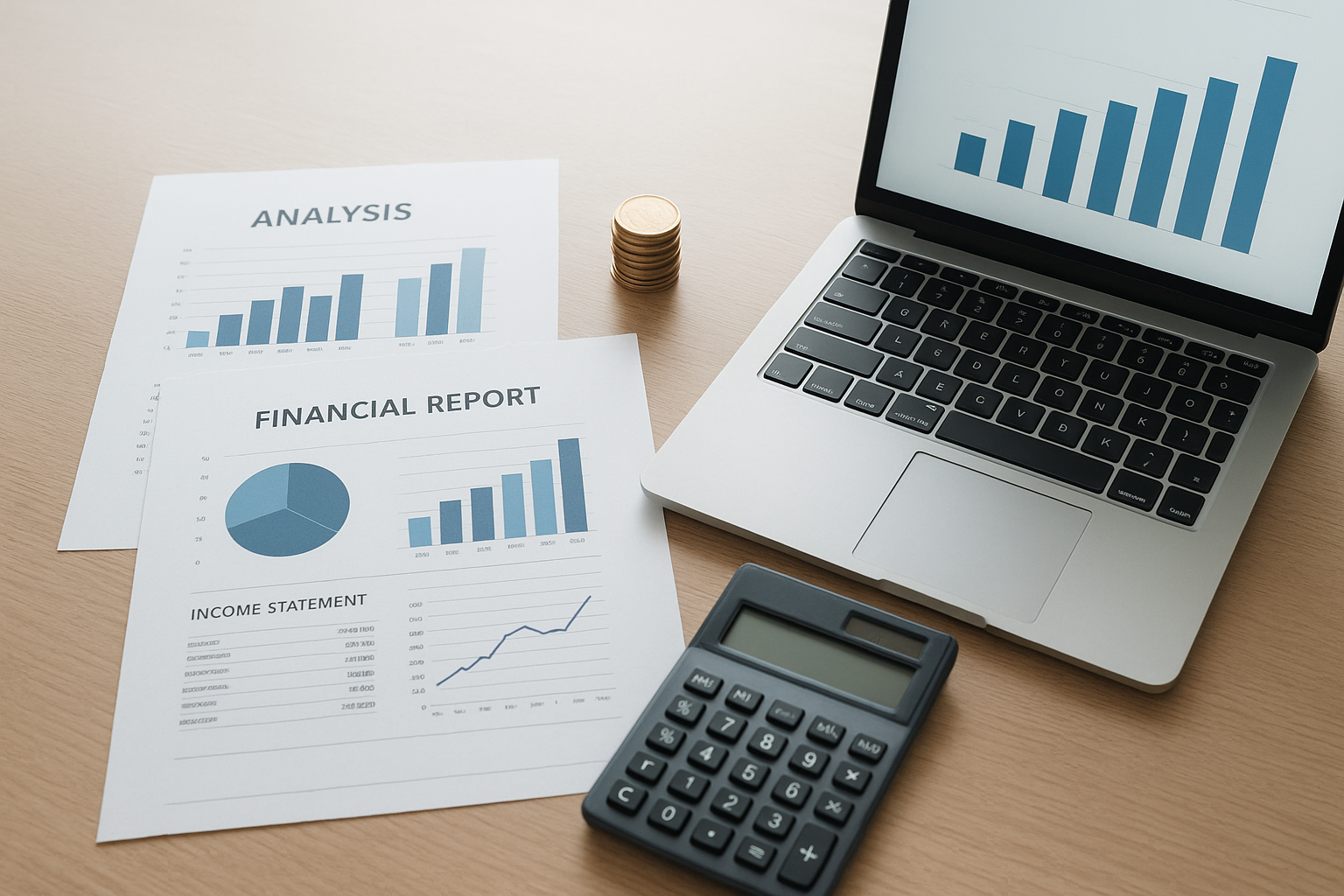
    Small business owner reviewing capital finance options and funding documents on a laptop

    Reviewing capital finance options is the first step toward funding business growth. For a deeper walkthrough, see our Fast Business Funding: Get Capital in 24-48 Hours.

    Why Growing Businesses Need Capital Funding

    Cash flow gaps happen even in profitable companies. For instance, a contractor may finish a large job but wait 60 days for payment while payroll and materials are due now. In this situation, capital funding bridges the gap so operations never stall.

    Similarly, seasonal businesses often need extra inventory before a busy quarter arrives. Without outside funding, many would have to turn down orders simply because cash is tied up elsewhere. As a result, having access to capital finance in advance, rather than scrambling during a crisis, tends to produce better loan terms and less stress.

    Types of Business Financing Solutions Available

    Not every business needs the same type of financing. Therefore, understanding the main categories helps owners avoid paying for features they do not need. For a deeper walkthrough, see our Business Loans With Flexible Repayment Terms: What Business Owners Need to Know.

    Working Capital Loans and Business Lines of Credit

    Working capital loans provide a lump sum for near-term needs like payroll or rent, while a business line of credit acts more like a safety net you draw from only when needed. In fact, many owners keep a line of credit open even when they are not using it, simply for peace of mind. To see how these two products differ from bank underwriting, this comparison of working capital financing versus a traditional bank loan breaks down the approval speed and cost differences. Meanwhile, choosing between a line of credit and a lump-sum term loan is covered in this guide on selecting a business line of credit versus a term loan.

    Equipment Financing and Revenue-Based Financing

    Equipment financing is designed for machinery, vehicles, or technology purchases, and the equipment itself typically serves as collateral, which often results in a lower rate. On the other hand, revenue-based financing ties repayment directly to a percentage of monthly sales, which can be helpful for businesses with fluctuating income. For a deeper look at whether this model fits your situation, read is revenue-based financing a good option for my business, and for equipment-specific guidance, see which business financing is best for equipment purchases.

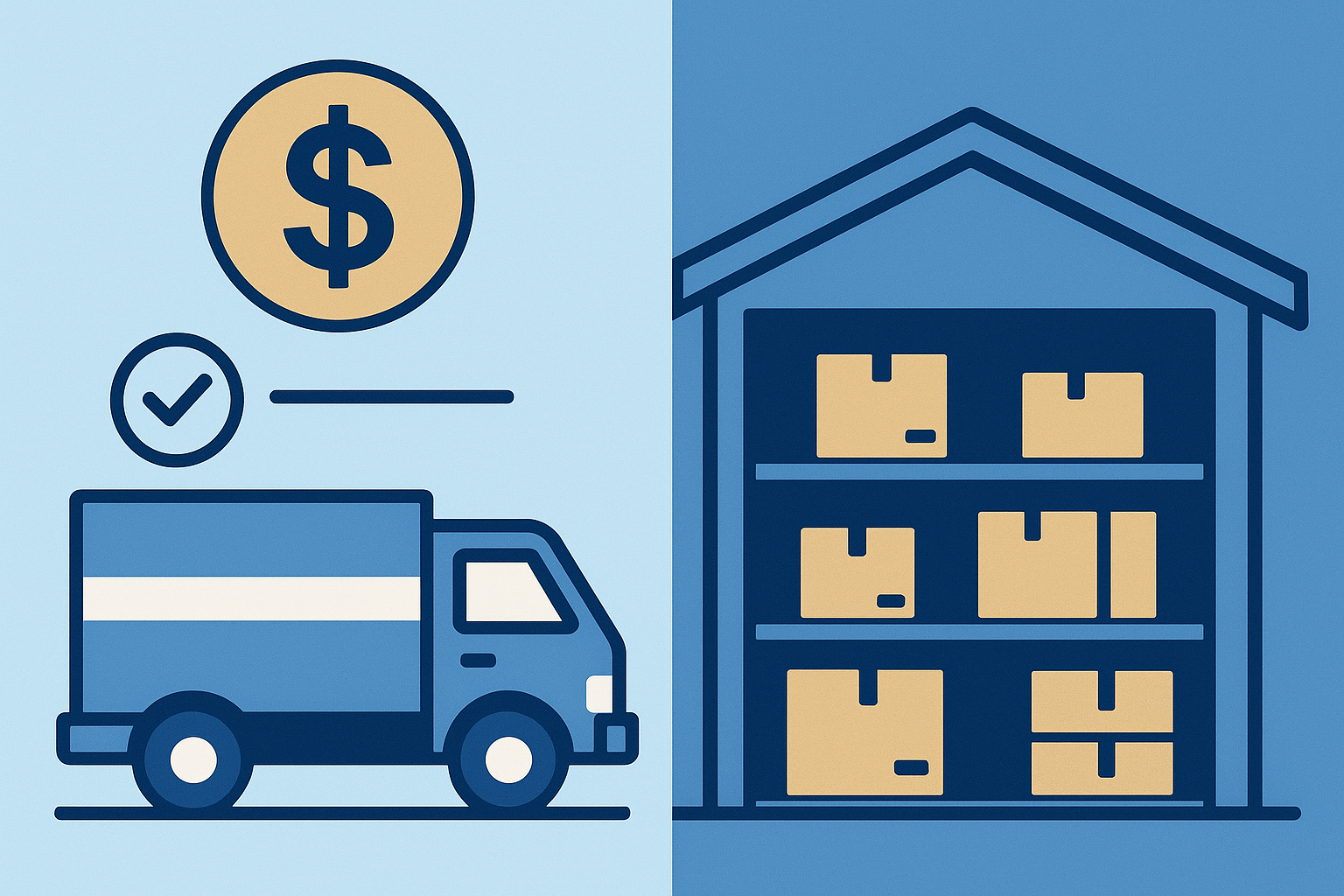
    Illustration comparing equipment financing and inventory financing as business capital finance options

    Different capital finance products suit different business needs, from equipment to inventory.

    How to Qualify for Capital Finance: A 5-Step Process

    Qualifying for capital finance is usually more straightforward than owners expect, especially for established companies with steady revenue. Below is the process most applicants follow.

    1. Review your financials. Pull three to six months of bank statements and review revenue trends before applying.
    2. Determine the funding amount and type. Decide whether you need a lump sum, a revolving line, or short-term emergency funds.
    3. Gather required documents. Have bank statements, tax returns, and a voided check ready to speed up underwriting.
    4. Compare lenders and submit your application. Request quotes, compare total repayment cost, and apply with the best fit.
    5. Review terms and accept funding. Confirm the schedule and total cost before signing, then receive your funds.

    Businesses that need funding urgently for payroll or equipment can often move through this process in a single day. For a look at faster options, see where to get quick business funding for equipment and payroll.

    Business Capital vs. Traditional Bank Loans

    Traditional bank loans generally offer the lowest rates, but they also demand strong credit, several years of tax returns, and weeks of underwriting. In contrast, alternative business capital providers focus more heavily on current revenue and cash flow, which allows faster decisions.

    Consequently, a business that cannot wait a month for a bank decision often turns to short-term loans, merchant cash advances, or revenue-based financing instead. According to the U.S. Small Business Administration, SBA-backed loans remain one of the lowest-cost options for qualified borrowers, though the tradeoff is a longer approval timeline compared with alternative capital finance products. For a deeper walkthrough, see our Best Small Business Loans With Fast Approval and Minimal Paperwork.

    Choosing the Right Financing Partner for Your Business

    Above all, the right lender should match your industry, revenue, and timeline rather than forcing you into a one-size-fits-all product. USA Patriot Loans, a disabled-veteran-owned company founded by Paul Giordano in November 2023, works with established businesses nationwide generating at least $20,000 in monthly revenue, offering SBA loans, working capital loans, business lines of credit, equipment financing, merchant cash advances, revenue-based financing, invoice financing, and same-day business funding.

    Because every business situation is different, it also helps to understand how term structures compare before signing anything. For more background on working capital definitions, the Wikipedia entry on working capital offers useful foundational context alongside the resources on USA Patriot Loans.

    Business owner and lender shaking hands after approval for a capital finance solution

    Finding the right capital finance partner can speed up approval and funding timelines.

    Frequently Asked Questions About Capital Finance

    What does capital finance mean for a small business?

    Capital finance means the funding tools a business uses to cover operating costs, buy equipment, or expand, such as loans, lines of credit, and revenue-based advances. It gives owners access to cash without waiting to save enough on their own. For a deeper walkthrough, see our Best Credit Cards for Business Owners: Top Picks 2026.

    How does capital finance work?

    Capital finance works by providing a lump sum or revolving credit line that a business repays over time, usually with interest or fees. Lenders review revenue, time in business, and cash flow before approving the amount.

    Why do businesses need capital finance instead of using savings?

    Businesses use capital finance because relying solely on savings can slow growth and drain cash reserves needed for emergencies. Financing spreads the cost over time so owners can invest and still cover payroll or inventory.

    What is the difference between capital finance and a traditional bank loan?

    Capital finance is a broad category that includes bank loans plus alternative products like merchant cash advances and revenue-based financing. Traditional bank loans tend to have stricter requirements and slower approval than many alternative capital finance options.

    How much does capital finance typically cost?

    Costs vary widely by product, ranging from single-digit annual rates on SBA loans to higher factor rates on short-term products. The final price depends on credit profile, revenue, and how quickly funds are needed.

    How long does it take to get approved for capital finance?

    Approval can take as little as 24 to 48 hours for short-term or same-day funding products, while SBA loans may take several weeks. Speed generally depends on the lender and documentation readiness. For a deeper walkthrough, see our Is USA Patriot Loans a Reliable Funding Source?.

    What credit score is needed to qualify for capital finance?

    Many alternative capital finance lenders accept credit scores in the mid-500s, while bank and SBA products usually require 650 or higher. Strong monthly revenue can sometimes offset a lower credit score.

    What are the most common mistakes businesses make when seeking capital finance?

    Common mistakes include applying without organized financials, borrowing more than needed, and not comparing total repayment costs across lenders. Rushing the process can also lead to accepting unfavorable terms.

    What types of capital finance are available for equipment purchases?

    Equipment financing and certain term loans are the most common capital finance tools for buying machinery, vehicles, or technology. These products often use the equipment itself as collateral, which can lower the rate.

    Can startups qualify for capital finance?

    Startups with limited operating history often have fewer options, but some revenue-based and invoice financing products consider recent sales instead of years in business. Most traditional capital finance lenders still prefer at least one to two years of operation.

    What documents are needed to apply for capital finance?

    Lenders typically request recent bank statements, tax returns, a driver’s license, and a voided business check. Some capital finance products require less paperwork in exchange for a higher rate.

    Is capital finance the same as a merchant cash advance?

    A merchant cash advance is one specific type of capital finance, not the entire category. Capital finance also includes term loans, lines of credit, invoice financing, and SBA-backed products.

    What is the best capital finance option for fast funding?

    Short-term business loans and merchant cash advances usually fund the fastest, often within one business day. Working capital loans and business lines of credit also move quickly once documentation is complete.

    How do lenders decide how much capital finance to offer?

    Lenders review monthly revenue, existing debt, time in business, and industry risk to set a funding amount. Businesses generating at least $20,000 per month in revenue generally qualify for larger offers.

    Final Thoughts on Capital Finance

    Ultimately, capital finance is not a single product but a toolbox of options designed to fit different business needs, timelines, and budgets. Whether the goal is covering payroll, buying equipment, or expanding into a new location, understanding the differences between working capital loans, lines of credit, equipment financing, and revenue-based advances helps owners choose wisely rather than settling for the first offer.

    In the end, the fastest path to capital finance is preparation: organized financials, a clear funding goal, and a lender willing to work at the speed a growing business demands. Established companies generating at least $20,000 in monthly revenue can explore tailored options directly through USA Patriot Loans to find the right fit for their next stage of growth. For a deeper walkthrough, see our The Process for Getting Funded Through USA Patriot Loans.

  • SBA Loans Lender: Complete Guide for Business Owners

    SBA Loans Lender: Complete Guide for Business Owners

    SBA Loans Lender: Complete Guide for Business Owners

    Choosing the right SBA loans lender can determine whether your business gets funded in weeks or gets stuck in months of paperwork. With thousands of banks and non-bank companies participating in the U.S. Small Business Administration’s lending programs, business owners need a clear way to compare options and avoid costly missteps. This guide walks through what an SBA loans lender actually does, how the process works, and how to pick a partner that fits your timeline and budget.

    Direct answer: An SBA loans lender is a financial institution approved by the Small Business Administration to originate government-guaranteed loans for small businesses. These lenders range from national banks to specialized nationwide finance companies, and the guarantee allows them to offer lower rates and longer terms than most conventional business loans.

    What Is an SBA Loans Lender?

    An SBA loans lender is a bank, credit union, or non-bank finance company that has been vetted and approved to fund loans backed in part by the federal government. In other words, the lender still originates and services the loan, but the SBA guarantees a portion of it, typically 50 to 90 percent depending on the program. This arrangement lowers the lender’s risk, so it can extend more favorable terms than it might offer on a purely conventional loan.

    Furthermore, not every SBA-approved lender specializes in every type of loan. Some focus heavily on SBA 7(a) loans for working capital, while others concentrate on SBA 504 loans for real estate or major equipment purchases. As a result, matching your specific funding need to a lender’s area of expertise matters just as much as comparing interest rates.

    Small business owner meeting with an SBA loans lender to discuss financing options

    Working with the right SBA loans lender starts with a clear conversation about your funding needs.

    How SBA-Approved Lenders Actually Work

    Once a lender receives SBA approval, it can process loan applications under a variety of programs, including the flagship 7(a) loan, the 504 program for fixed assets, and microloans for very small funding needs. According to the U.S. Small Business Administration, the agency approved over $27 billion in 7(a) loans in a recent fiscal year, reflecting steady demand from small business owners nationwide.

    In practice, the lender underwrites the loan using its own criteria plus SBA guidelines, then submits paperwork to the SBA for the guarantee portion. Consequently, borrowers deal directly with the lender for applications, disbursement, and repayment, while the SBA acts mainly as a backstop rather than a direct point of contact. For a deeper breakdown of loan structures, our SBA loan guide covering types and qualification steps is a useful next read.

    Types of SBA Loan Lenders to Consider

    Business owners generally choose between three categories of SBA lending partners, and each comes with tradeoffs in speed, flexibility, and documentation requirements.

    • National and regional banks: Often offer the lowest rates but tend to have slower, more document-heavy underwriting.
    • Credit unions: May provide personalized service and competitive terms, particularly for existing members.
    • Non-bank and nationwide finance companies: Typically move faster and work with a broader range of credit profiles, which suits businesses needing same-day or short-term funding alongside SBA options.

    For example, if your business needs $30,000 to $20 million and cannot wait months for a decision, a nationwide lender that also offers working capital loans, lines of credit, or short-term bridge financing alongside SBA products can be especially valuable. Our SBA microloan programs overview explains smaller funding options in more detail.

    How to Choose the Right SBA Loans Lender

    Selecting an SBA loans lender should not come down to the first offer you receive. Instead, compare several factors side by side before committing.

    Above all, pay attention to funding speed if your business has an urgent need. Similarly, review the total cost of the loan, not just the headline interest rate, since guarantee fees and packaging fees can add up. In particular, ask each lender about its experience with businesses of your size and industry, because specialized lenders often move faster with familiar loan profiles. Our SBA loan portal guide can help you compare funding paths more efficiently.

    Step-by-Step: Applying With an SBA Lender

    The application process follows a predictable pattern regardless of which lender you choose. Here is how it typically unfolds:

    1. Assess your funding needs and determine the exact loan amount, purpose, and repayment timeline your business requires before contacting any lender.
    2. Gather financial documentation, including two to three years of tax returns, bank statements, and a written business plan.
    3. Compare multiple SBA lenders by requesting quotes from at least three sources, including both banks and non-bank finance companies.
    4. Submit your application accurately and promptly, since missing information is the leading cause of processing delays.
    5. Review the final terms, guarantee fee, and repayment schedule carefully before signing and closing the loan.

    Business owner organizing financial documents before applying with an SBA loans lender

    Preparing documentation early helps speed up approval with any SBA loans lender.

    SBA Loan Costs and Requirements to Expect

    Every SBA loans lender charges some combination of a guarantee fee, packaging fee, and interest tied to the prime rate plus a set margin. Consequently, two lenders offering the same loan amount can have meaningfully different total costs once fees are factored in. Requirements also typically include a personal guarantee from owners with 20 percent or more equity, along with collateral for larger loan amounts. Our detailed breakdown of SBA loan costs covers these fees line by line so you can budget accurately.

    In addition, most lenders require at least $20,000 in average monthly revenue and a demonstrated operating history, though exact thresholds vary. Therefore, it helps to have current financial statements ready before reaching out to any lender.

    Why Businesses Consider USA Patriot Loans as an SBA Lending Partner

    USA Patriot Loans is a nationwide, disabled-veteran-owned business financing company founded in 2023 and headquartered in Pennsylvania. The company works with established businesses generating at least $20,000 in monthly revenue, offering access to $30,000 to $20 million across products including SBA loans, working capital loans, lines of credit, term loans, and equipment financing. Because the team focuses on removing unnecessary delays common with traditional financing, business owners exploring SBA options alongside faster alternative products often find it useful to compare offers through a single nationwide lender. You can review current programs directly at USA Patriot Loans or reach out with specific questions using the details on our SBA loan contact page.

    Common Mistakes When Working With an SBA Loans Lender

    Many applicants apply with only one lender, which limits their ability to negotiate rates or fees. Similarly, some business owners underestimate how long the process can take and apply too close to when they actually need funds. For further background on SBA lending broadly, the Wikipedia overview of the Small Business Administration offers useful historical context, while the Consumer Financial Protection Bureau publishes general guidance on comparing commercial financing terms.

    Frequently Asked Questions

    What is an SBA loans lender?

    An SBA loans lender is a bank, credit union, or non-bank financial company approved by the U.S. Small Business Administration to originate loans that carry a partial government guarantee. This guarantee reduces the lender’s risk, which often translates into lower rates and longer repayment terms for borrowers.

    How does an SBA loans lender differ from a traditional bank loan?

    A traditional bank loan relies entirely on the lender’s own risk assessment, while an SBA loans lender shares part of that risk with the federal government. As a result, SBA lenders can often approve businesses that might not qualify for conventional financing alone.

    How long does it take to get funded through an SBA loans lender?

    Standard SBA 7(a) loans typically take 30 to 90 days to fund because of underwriting and government processing steps. However, SBA Express loans and some non-bank SBA lenders can shorten that timeline to as little as one to two weeks.

    What credit score do I need to qualify with an SBA loans lender?

    Most SBA loans lenders look for a personal credit score of at least 640 to 680, though stronger scores improve approval odds and pricing. Lenders also weigh cash flow, time in business, and collateral alongside credit history.

    What is the difference between an SBA 7(a) lender and an SBA 504 lender?

    SBA 7(a) lenders fund general working capital, equipment, and business acquisition needs, while SBA 504 lenders focus specifically on real estate and large fixed-asset purchases through a certified development company. Choosing between them depends largely on how the funds will be used.

    How much does it cost to borrow from an SBA loans lender?

    Costs typically include an SBA guarantee fee, lender packaging fees, and interest that is often tied to the prime rate plus a set margin. Total borrowing costs vary by loan size and lender, so comparing itemized fee schedules is essential before signing.

    Can I get an SBA loan from a non-bank lender?

    Yes, many non-bank finance companies are certified SBA lenders and often move faster than traditional banks. These lenders can be a strong option for business owners who need funding sooner than a bank’s typical timeline allows.

    What documents does an SBA loans lender require?

    Lenders generally request tax returns, financial statements, a business plan, and proof of collateral or a personal guarantee. Organizing these documents in advance can significantly speed up the underwriting process.

    What is the biggest mistake business owners make when choosing an SBA loans lender?

    The most common mistake is applying with only one lender instead of comparing multiple offers on rate, term, and fee structure. Skipping this comparison step can cost thousands of dollars over the life of the loan.

    How much can I borrow from an SBA loans lender?

    SBA 7(a) loans can go up to $5 million, while many alternative SBA lending partners also structure working capital solutions from $30,000 up to $20 million depending on business revenue. The right amount depends on your monthly revenue, use of funds, and repayment capacity.

    Do all SBA loans lenders require a personal guarantee?

    Most SBA loans lenders require a personal guarantee from anyone who owns 20 percent or more of the business. This is a standard SBA program requirement, not something individual lenders can waive.

    What is the best way to find a reputable SBA loans lender?

    Start with the SBA’s Lender Match tool, then compare those results against experienced nationwide lenders who specialize in fast underwriting. Checking reviews, funding timelines, and transparency around fees helps narrow the list further.

    Final Thoughts

    Ultimately, finding the right SBA loans lender comes down to matching your funding timeline, loan amount, and business profile to a lender’s strengths. Whether you choose a traditional bank, a credit union, or a nationwide finance company, comparing at least three offers, understanding total costs, and preparing documentation early will put your business in the strongest position. In short, the right SBA loans lender should feel like a financing partner, not just a paperwork gatekeeper, and taking the time to compare options now can save your business significant money and stress down the road.

  • Best Credit Cards for Business Owners: Top Picks 2026

    Best Credit Cards for Business Owners: Top Picks 2026

    Best Credit Cards for Business Owners: Top Picks 2026

    The best credit cards for business owners are the ones that match real spending habits, keep borrowing costs low, and help build a track record of business credit. Choosing the right card, however, is only part of the picture. Many owners eventually need more capital than a card can provide, and that is where other financing tools come into play.

    Quick answer: The best credit cards for business owners typically offer a 0% APR introductory period, rewards on categories like office supplies or travel, and no personal guarantee once the business qualifies on its own credit. For larger or ongoing capital needs, a business line of credit or working capital loan often costs less than carrying a card balance.

    Business owner reviewing the best credit cards for business owners at a desk

    Comparing the best credit cards for business owners starts with understanding real spending patterns.

    What Are the Best Credit Cards for Business Owners?

    The best credit cards for business owners are cards designed around commercial spending, such as travel, advertising, or wholesale supply purchases, rather than personal consumer categories. In addition, strong business cards typically report activity to at least one business credit bureau, which helps establish a credit profile separate from the owner’s personal history.

    Because most issuers still require a personal guarantee, the owner remains responsible for the balance even though the card is registered under the company name. As a result, business owners should treat a business card with the same discipline as any other credit obligation, since missed payments can affect both business and personal credit.

    Key Features of Top Business Credit Cards

    Not every card that markets itself to small businesses actually fits every business. Therefore, it helps to compare a few core features side by side before applying.

    Feature Why It Matters
    Introductory APR A 0% period can offset short-term purchases without interest, provided the balance clears before the promo ends.
    Rewards categories Bonus categories should mirror actual recurring costs like fuel, shipping, or advertising.
    Reporting practices Cards that report to business bureaus help separate business credit from personal credit over time.
    Annual fee Premium perks are only worthwhile if the business actually uses them enough to offset the fee.

    According to the Federal Reserve’s Small Business Credit Survey, a majority of small employer firms use business credit cards as part of their day-to-day financing mix, alongside lines of credit and loans (Federal Reserve Small Business Credit Survey). That data point underscores why comparing card features carefully is worth the extra time.

    Popular Types of Credit Cards for Small Business Owners

    Business credit cards generally fall into a few broad categories, and understanding these groups makes comparison shopping much easier.

    Cash-back cards return a flat or tiered percentage on purchases, which suits businesses with steady, predictable expenses. Travel rewards cards favor companies with frequent travel costs, since points often convert to flights or hotel stays. Low-interest cards prioritize a lower ongoing APR over rewards, which benefits businesses that occasionally carry a balance. Finally, secured or starter business cards help newer companies with limited credit history build a track record before qualifying for unsecured products.

    For background on how credit cards are regulated generally, the Wikipedia entry on credit cards offers a useful overview of how issuers set terms and interest.

    Several unbranded business credit cards arranged for comparison on a desk

    Different types of business credit cards suit different spending habits and repayment styles.

    How to Choose the Right Business Credit Card: Step-by-Step

    Choosing among the best credit cards for business owners becomes far easier with a structured process. Consider following these five steps before submitting an application.

    1. Review monthly spending patterns. Pull three to six months of expenses to see which categories, such as fuel or advertising, dominate the budget.
    2. Compare interest rates and fees. Line up APR, annual fees, and penalty charges across at least three offers before deciding.
    3. Check personal guarantee requirements. Confirm how the card reports activity and whether the owner remains personally liable.
    4. Match rewards to real expenses. A card only pays off when its bonus categories reflect genuine, recurring costs.
    5. Evaluate whether a card provides enough capital. If upcoming needs exceed the credit limit, a larger financing tool may serve the business better. For a deeper walkthrough, see our Capital Finance Guide: How to Fund Your Business Fast.

    When Business Credit Cards Aren’t Enough: Alternative Financing Options

    Credit cards work well for smaller, recurring purchases, but they were never designed to fund equipment upgrades, inventory buildups, or expansion projects. In these situations, business owners often turn to dedicated financing products instead of stretching a card past its limit.

    USA Patriot Loans, a nationwide, disabled-veteran-owned business financing company founded in 2023, works with established businesses generating at least $20,000 in monthly revenue to arrange funding from $30,000 up to $20 million. Rather than relying on a single card, many owners pair a modest business credit card for everyday purchases with a business line of credit for larger, recurring capital needs.

    For a one-time purchase like machinery, equipment financing often carries a lower rate than a card’s ongoing APR. Businesses weighing flexibility against predictable payments can also review this comparison of lines of credit versus term loans to decide which structure fits an upcoming project.

    Business Credit Cards vs. Business Lines of Credit

    Both tools offer revolving access to funds, yet they differ in cost and scale. A card typically suits purchases under a few thousand dollars with short repayment windows, while a line of credit usually offers higher limits and lower rates for bigger, ongoing working capital needs.

    Consequently, cost matters just as much as convenience. Owners can review typical pricing in this breakdown of small business line of credit costs before deciding which product to prioritize for larger expenses. The U.S. Small Business Administration also outlines general financing options on its official site (SBA.gov), which is a useful starting point for comparing federal loan programs against private financing.

    Common Mistakes Business Owners Make With Credit Cards

    Even experienced owners fall into predictable traps. For instance, mixing personal and business expenses on one card makes bookkeeping messy and can complicate tax filing. Similarly, carrying a revolving balance at 20% or higher APR quietly erodes profit margins that took months to build.

    Another frequent error involves opening several cards at once, which can temporarily lower a personal credit score and make cash flow harder to track. In contrast, disciplined owners typically use one primary card, pay it in full monthly, and reserve larger financing tools for bigger projects. Learn more about structuring capital access at USA Patriot Loans, which serves business owners nationwide.

    Frequently Asked Questions About the Best Credit Cards for Business Owners

    What are the best credit cards for business owners?

    The best credit cards for business owners are cards that match the company’s spending patterns, offer manageable interest rates, and report to business credit bureaus. Owners should compare rewards, fees, and credit limits before applying.

    How is a business credit card different from a personal card?

    A business credit card is issued in the company’s name and typically offers higher limits and business-specific rewards, but it usually requires a personal guarantee from the owner. Personal cards protect consumers under different federal rules than business cards.

    Do business credit cards affect personal credit scores?

    Yes, most business credit cards require a personal guarantee, so missed payments can appear on the owner’s personal credit report. Some issuers also report card activity to consumer credit bureaus even when payments are made on time.

    How much do business credit cards typically cost?

    Annual fees range from $0 to roughly $695 for premium travel cards, while interest rates commonly fall between 18% and 29% APR. Late fees and cash advance fees add extra cost if balances are not managed carefully.

    What credit score is needed to qualify for a business credit card?

    Most issuers look for a personal credit score of 670 or higher, though some secured or starter business cards accept lower scores. Stronger scores generally unlock better rewards and higher credit limits.

    How long does it take to get approved for a business credit card?

    Many online applications receive a decision within minutes, while some issuers take several business days to verify income and business documentation. Approval speed often depends on the completeness of the application.

    What is the biggest mistake business owners make with credit cards?

    The most common mistake is carrying a revolving balance that accrues high interest, which can quietly erode profit margins. Owners should also avoid mixing personal and business expenses on the same card.

    Are business credit cards better than a business line of credit?

    Credit cards work well for small, recurring purchases and short payment cycles, while a business line of credit typically offers larger limits and lower rates for bigger working capital needs. The right choice depends on how much capital the business needs and how quickly it can repay.

    Can a new business qualify for a business credit card?

    Yes, many issuers approve newer businesses based primarily on the owner’s personal credit history and income rather than years in operation. However, limits are often lower until the business establishes its own credit profile.

    What should business owners look for in card rewards programs?

    Owners should match rewards categories to actual spending, such as bonus points on travel, office supplies, or advertising. A rewards program that does not align with real expenses rarely delivers meaningful value.

    When should a business consider alternatives to credit cards?

    Businesses needing more than a card’s credit limit, or facing a large one-time expense like equipment or expansion, are often better served by a term loan or working capital loan. Alternative financing can also offer lower rates on larger amounts.

    How many business credit cards should a company have?

    Most experts recommend one or two well-matched cards rather than many accounts, since multiple cards can complicate bookkeeping and encourage overspending. Fewer, better-chosen cards are easier to track and pay off in full.

    Small business owner reviewing alternative financing paperwork beside a laptop

    Many owners pair a card with larger financing once spending needs outgrow a credit limit.

    Final Thoughts on the Best Credit Cards for Business Owners

    Ultimately, the best credit cards for business owners are the ones that fit real spending habits, carry manageable fees, and help build a separate business credit profile over time. However, cards are just one piece of a healthy financing strategy. When a business outgrows what a card can offer, options like working capital loans, business lines of credit, and equipment financing from lenders such as USA Patriot Loans can provide the larger, lower-cost capital that growth projects require. Comparing both paths carefully helps owners fund day-to-day operations and long-term expansion without overpaying in interest.

  • Small Companies Loan Guide: Fast Funding Options 2026

    Small Companies Loan Guide: Fast Funding Options 2026

    Small Companies Loan Guide: Fast Funding Options 2026

    A small companies loan gives established business owners the working capital they need to cover payroll, restock inventory, or seize a growth opportunity without waiting months for a bank’s approval process. Whether you run a retail shop, a contracting business, or a growing service company, understanding how a small companies loan works can save you time, money, and unnecessary stress. In this guide, we’ll walk through loan types, qualification steps, costs, and how to choose a lender that fits your business.

    Direct answer: A small companies loan is a financing product, typically ranging from $30,000 to $20 million, that provides established businesses with a lump sum or credit line to cover operating costs, equipment, or expansion. Approval speed, cost, and terms vary depending on whether the lender is a bank, the SBA, or an online alternative lender.

    What Is a Small Companies Loan?

    A small companies loan is a financing arrangement that gives a business access to capital in exchange for repayment over time, usually with interest. Unlike personal loans, these products are underwritten based on business revenue, time in operation, and cash flow rather than solely on personal income. Consequently, lenders often look at monthly bank deposits and tax filings before approving funding.

    According to the U.S. Small Business Administration, small businesses make up more than 99% of all U.S. companies, which explains why demand for accessible financing remains consistently high. As a result, dozens of loan structures now exist to serve different needs, from quick working capital to long-term equipment purchases.

    small business owner reviewing small companies loan paperwork at a desk

    Reviewing financial documents is the first step toward securing a small companies loan.

    Why Small Business Owners Need Fast Funding

    Cash flow gaps happen to almost every business at some point, whether from seasonal slowdowns, delayed customer payments, or unexpected repairs. In fact, the Federal Reserve’s Small Business Credit Survey found that a majority of small firms sought external financing specifically to manage day-to-day operating expenses rather than for large expansion projects. Therefore, speed matters just as much as loan amount for many applicants.

    Additionally, businesses that wait too long to secure funding may miss opportunities like bulk inventory discounts or new contracts requiring upfront staffing. For that reason, many owners now prioritize lenders offering same-day or next-day decisions over traditional banks with longer review cycles.

    Types of Small Business Loans Available

    Not every business needs the same financing structure. Below are the most common options available to established companies seeking capital.

    SBA Loans

    SBA loans are partially guaranteed by the government, which allows lenders to offer lower rates and longer repayment terms. However, the application process is generally slower and requires more documentation than alternative options.

    Working Capital and Term Loans

    Working capital loans cover everyday expenses, while term loans provide a lump sum for a specific investment, repaid over a fixed schedule. For a deeper look at qualification requirements, see this working capital loans qualification guide.

    Lines of Credit, Equipment Financing, and More

    Business lines of credit offer reusable access to funds, ideal for fluctuating expenses. Equipment financing, invoice financing, and merchant cash advances each serve narrower purposes, such as purchasing machinery or bridging gaps caused by unpaid invoices.

    How to Qualify for a Small Companies Loan

    Qualifying for a small companies loan is more straightforward when you prepare in advance. Follow these five steps to improve your chances of fast approval.

    1. Review your business financials. Pull recent bank statements, profit and loss reports, and tax returns so you understand your monthly revenue and can present accurate numbers.
    2. Determine the loan amount and purpose. Decide exactly how much capital you need and what it will fund before contacting lenders.
    3. Gather required documentation. Collect identification, licenses, and financial statements so underwriting can proceed without delays.
    4. Compare lenders and loan types. Evaluate SBA loans, term loans, and lines of credit based on speed, cost, and flexibility.
    5. Submit your application and respond quickly. Complete the application accurately and respond promptly to underwriting requests to avoid delays.

    For a detailed breakdown of the documentation lenders typically request, this funding guide on getting funded fast offers additional context.

    calculator and financial documents used to compare small business loan offers

    Comparing offers carefully helps ensure you choose the right small companies loan structure.

    How Much Does a Small Business Loan Cost?

    Loan costs depend heavily on structure and lender type. SBA loans, for example, often carry annual percentage rates near 7% to 10%, while short-term products or merchant cash advances can run significantly higher due to their speed and reduced documentation requirements. In contrast, a business line of credit typically falls somewhere in between, depending on usage.

    Beyond interest rates, borrowers should also factor in origination fees, draw fees, and prepayment penalties. Consequently, comparing the total repayment amount, not just the advertised rate, gives a clearer picture of true cost.

    Choosing the Right Lender for Your Small Companies Loan

    Selecting a lender means weighing speed against cost. Traditional banks tend to offer the lowest rates but require strong credit and longer processing times. Meanwhile, online and alternative lenders prioritize speed and flexibility, often approving qualified applicants within a day or two.

    USA Patriot Loans, a disabled-veteran-owned business financing company founded in 2023, works with established businesses nationwide generating at least $20,000 in monthly revenue, offering funding from $30,000 up to $20 million across SBA loans, working capital, lines of credit, and equipment financing. For businesses that want to compare fast-approval options with minimal paperwork, this list of loans with fast approval and minimal paperwork is a useful starting point.

    Common Mistakes to Avoid When Applying for Small Business Funding

    Many applicants unintentionally slow down their own approval process. For instance, applying to several lenders at once can trigger multiple credit inquiries and create confusion during underwriting. Similarly, submitting incomplete bank statements or mismatched tax filings often leads to delays or outright denial.

    Above all, borrowing more than your business can comfortably repay creates long-term strain, even if the funds arrive quickly. Instead, calculate realistic repayment amounts based on projected revenue before signing any agreement. For more on how to structure this properly, review this funding guide for small companies.

    business owner meeting with a commercial lender to discuss financing options

    Meeting with a lender directly can clarify which small companies loan option fits best.

    Frequently Asked Questions About Small Companies Loans

    What is a small companies loan?

    A small companies loan is a financing product designed to give established small and medium-sized businesses access to working capital, equipment funds, or expansion money. It can come from banks, online lenders, or SBA-backed programs and typically ranges from a few thousand dollars to several million.

    How do small companies loans work?

    Lenders review your business revenue, time in business, and credit profile, then offer a lump sum or credit line with agreed repayment terms. Funds are typically disbursed within days once underwriting is complete.

    How much can a small business borrow?

    Loan amounts generally range from $30,000 to $20 million, depending on the lender and loan type. Revenue, industry, and collateral all influence how much a business can qualify for.

    How fast can I get funding after applying?

    Many alternative lenders can approve and fund a loan within 24 to 72 hours, while traditional bank and SBA loans often take two to eight weeks. Same-day funding is possible for qualified applicants with complete documentation.

    What credit score is needed for a small business loan?

    Requirements vary widely, but many online lenders accept scores as low as 600, while banks and SBA programs typically prefer 680 or higher. Strong revenue can sometimes offset a lower credit score.

    What’s the difference between a term loan and a business line of credit?

    A term loan provides a lump sum repaid over a fixed schedule, while a line of credit offers reusable access to funds up to a set limit. Lines of credit suit ongoing cash flow needs, while term loans work best for one-time investments.

    How much does a small business loan cost?

    Costs vary by lender and structure, with annual percentage rates ranging from roughly 7% for SBA loans to 30% or more for short-term or merchant cash advance products. Fees, origination costs, and repayment speed also affect total cost.

    Can I get a small business loan with bad credit?

    Yes, some lenders specialize in revenue-based financing or merchant cash advances that weigh cash flow more heavily than credit score. However, expect higher rates and shorter terms compared to traditional financing.

    What documents are required to apply?

    Most lenders request recent bank statements, tax returns, a profit and loss statement, and basic business identification. Some SBA and larger loans may also require a business plan and collateral documentation.

    What are common mistakes businesses make when applying for funding?

    Common mistakes include applying to multiple lenders simultaneously, submitting incomplete financial documents, and borrowing more than the business can comfortably repay. Preparing documentation in advance and comparing offers helps avoid these pitfalls.

    Are SBA loans better than online small business loans?

    SBA loans generally offer lower rates and longer terms but require more documentation and time to close. Online loans trade higher costs for speed and simpler qualification, making them useful when cash is needed quickly.

    How long does repayment typically take?

    Repayment terms range from a few months for short-term loans to 25 years for certain SBA real estate loans. Working capital and term loans commonly fall between one and five years.

    What can a small companies loan be used for?

    Funds are commonly used for payroll, inventory, equipment purchases, marketing, expansion, or covering seasonal cash flow gaps. Some loan types, like equipment financing, restrict use to a specific purpose.

    Final Thoughts on Securing a Small Companies Loan

    Ultimately, a small companies loan can provide the breathing room a business needs to manage cash flow, invest in equipment, or pursue expansion without depleting savings. As outlined throughout this guide, preparing financial documents early, comparing lender types, and understanding true loan costs all make the process smoother. Whether you pursue an SBA loan, a working capital product, or a fast alternative option, taking time to match the loan structure to your actual business needs will pay off in the long run. For more information on eligibility and current financing options, visit USA Patriot Loans to explore programs tailored to established small and medium-sized businesses nationwide.

  • SBA Small Business Loan Guide: Rates, Terms & How to Qualify

    SBA Small Business Loan Guide: Rates, Terms & How to Qualify

    SBA Small Business Loan Guide: Rates, Terms & How to Qualify

    An SBA small business loan is a financing option backed by a partial government guarantee, and it remains one of the most affordable ways for established businesses to access working capital, equipment funds, or expansion capital. Because the U.S. Small Business Administration (SBA) shoulders part of the lender’s risk, qualified borrowers typically receive lower rates and longer repayment terms than they would with most conventional bank products. This guide breaks down how these loans work, what they cost, and how to qualify without getting buried in paperwork.

    Small business owner reviewing an SBA small business loan application at a desk

    Preparing financial documents in advance speeds up the SBA small business loan process. For a deeper walkthrough, see our What Do I Need to Qualify for a Business Loan?.

    What Is an SBA Small Business Loan?

    An SBA small business loan is a loan issued by an approved private lender and partially guaranteed by the U.S. Small Business Administration. Because the government absorbs part of the risk if a borrower defaults, lenders can offer more favorable rates and terms than they would on a fully unsecured business loan.

    In practice, the SBA itself does not hand out the funds. Instead, banks, credit unions, and nonbank lenders fund the loan, and the SBA guarantee acts as insurance for that lender. As a result, qualifying businesses often see interest rates that traditional financing cannot match, particularly for larger loan amounts or longer repayment schedules.

    For example, a manufacturing company needing $500,000 for new equipment might struggle to secure that amount unsecured from a bank alone. However, with an SBA guarantee reducing the lender’s exposure, that same business has a realistic path to approval.

    How Does an SBA-Backed Business Loan Work?

    Once a lender approves the application, the SBA guarantees a fixed percentage of the outstanding balance, generally between 50% and 90% depending on the specific program. Consequently, the borrower deals directly with the lender for disbursement, repayment, and any future modifications.

    Repayment terms vary by use of funds. Working capital loans might run 7 to 10 years, while real estate purchases can stretch to 25 years. In addition, most SBA loans require a personal guarantee from anyone owning 20% or more of the business, along with collateral when available.

    According to the U.S. Small Business Administration, the agency backed billions of dollars in 7(a) loans during recent fiscal years, underscoring how central this program has become to small business growth nationwide.

    Types of SBA Loan Programs to Consider

    Not every SBA program fits every business. Therefore, understanding the differences helps you target the right application from the start.

    • SBA 7(a) Loans: The most common option, used for working capital, equipment, and expansion, with amounts up to $5 million. For a deeper walkthrough, see our What Are the Costs Associated With SBA Loans?.
    • SBA Microloans: Smaller loans up to $50,000, ideal for startups or very small operations. Our SBA microloan programs guide covers rates and qualification details.
    • SBA 504 Loans: Designed for major fixed assets like real estate or heavy equipment.
    • SBA Express Loans: Faster approval turnaround for smaller amounts, often within 5 to 10 business days. For a deeper walkthrough, see our Short Term Business Loans With Low Interest in 2026.

    For a full breakdown of every option, our complete SBA loan guide walks through eligibility and application steps in more depth.

    Four small business types that commonly use SBA loan programs for funding

    Different SBA loan programs serve different business needs and funding amounts.

    SBA Small Business Loan Rates and Terms

    Pricing on an SBA small business loan is typically tied to the prime rate plus a lender spread set within SBA guidelines. As of 2026, borrowers commonly see variable rates landing somewhere between 10.5% and 15%, though fixed-rate options exist for certain programs.

    In contrast to short-term products, repayment terms on SBA loans can stretch from 7 years for working capital to as long as 25 years for commercial real estate. Longer terms lower the monthly payment but increase total interest paid over the life of the loan. For a deeper walkthrough, see our SBA Loan Payment: How Monthly Costs Are Calculated.

    Guarantee fees also factor into the total cost. These generally range from 0.5% to 3.75% of the guaranteed portion, scaling with loan size. Above all, it helps to compare the total cost of capital rather than focusing solely on the headline interest rate. Resources like Investopedia’s SBA overview offer additional context on how these fees are structured.

    How to Qualify for an SBA Small Business Loan

    Qualification hinges on documentation, creditworthiness, and demonstrated repayment ability. The following process outlines the typical path from preparation to submission.

    1. Review eligibility requirements. Confirm your business operates for profit, is based in the United States, and meets SBA size standards before applying.
    2. Gather financial documentation. Collect tax returns, profit and loss statements, bank statements, and a debt schedule so underwriters can evaluate cash flow quickly. For a deeper walkthrough, see our DSCR Loan: How to Qualify Using Property Cash Flow.
    3. Check personal and business credit. Address any reporting errors, since most lenders expect a personal credit score of at least 640.
    4. Write a clear use-of-funds statement. Explain exactly how proceeds will be spent, whether on equipment, payroll, or expansion. For a deeper walkthrough, see our Where to Get Quick Business Funding for Equipment and Payroll.
    5. Choose a lender and submit your application. Work with an SBA-approved lender or preferred partner to avoid unnecessary processing delays.

    If your business generates at least $20,000 in monthly revenue and needs anywhere from $30,000 to $20 million, USA Patriot Loans works with established business owners nationwide to match them with SBA and alternative financing options suited to their situation. You can also explore our SBA loan portal to compare funding paths quickly.

    SBA Loans vs. Other Small Business Financing Options

    While an SBA small business loan offers strong pricing, it is not always the fastest route to capital. Conventional term loans, business lines of credit, and revenue-based financing can close in days rather than weeks, which matters when cash flow is tight.

    Specifically, businesses facing an urgent equipment breakdown or seasonal inventory gap may prefer short-term or same-day funding products over the longer SBA timeline. On the other hand, businesses planning a major expansion or real estate purchase often benefit more from the SBA’s lower rates and longer terms despite the extra paperwork.

    For a side-by-side look at faster alternatives, see our guide to small business loans with fast approval and minimal paperwork. For a deeper walkthrough, see our Same Day Business Loans: How to Get Funded Fast Today.

    Common Mistakes to Avoid When Applying

    Many applicants lose valuable time by submitting incomplete files. Missing tax returns or outdated financial statements are the most frequent culprits, and lenders will pause underwriting until every document arrives.

    Similarly, underestimating the timeline can create real cash flow strain. Because standard 7(a) approvals can take 30 to 90 days, businesses with urgent needs should plan ahead or explore faster products in parallel. For a broader look at preparing a strong application, our small business financing guide covers additional preparation tips.

    Business owner and lender finalizing terms after SBA small business loan approval

    Careful preparation helps businesses close an SBA small business loan without unnecessary delays. For a deeper walkthrough, see our SBA Loan Contact Number: How to Reach the SBA Fast.

    Frequently Asked Questions About SBA Small Business Loan

    What is an SBA small business loan?

    An SBA small business loan is a loan made by an approved lender that is partially guaranteed by the U.S. Small Business Administration. This guarantee reduces the lender’s risk, which typically results in lower rates and longer repayment terms.

    How does an SBA small business loan work?

    A lender funds the loan while the SBA guarantees a portion, often 50% to 90%. Borrowers repay the lender directly, and the guarantee only applies if the borrower defaults.

    How long does it take to get approved for an SBA loan?

    Traditional 7(a) loans can take 30 to 90 days to close. However, SBA Express and preferred-lender programs can shorten approval to roughly 5 to 10 business days.

    What credit score do I need for an SBA small business loan?

    Most lenders look for a personal credit score of at least 640 to 680. Stronger scores improve both approval odds and pricing.

    What are typical SBA small business loan rates?

    SBA 7(a) rates are usually tied to the prime rate plus a lender spread, commonly falling between 10.5% and 15% as of 2026. Exact pricing depends on loan size and term length.

    What can an SBA small business loan be used for?

    Funds can cover working capital, equipment, real estate, inventory, debt refinancing, and business acquisitions. Lenders will ask for a clear explanation of intended use.

    SBA loan versus a traditional bank loan: which is better?

    An SBA loan often offers lower rates and longer terms because of the government guarantee. A traditional bank loan may close faster but usually demands stronger financials.

    How much can I borrow with an SBA small business loan?

    SBA 7(a) loans can reach up to $5 million, while SBA microloans max out around $50,000. The right amount depends on revenue and repayment capacity.

    Do I need collateral for an SBA small business loan?

    Lenders generally require collateral when available. If collateral is limited, the SBA guarantee can still allow approval, though a personal guarantee is usually required.

    What is the most common mistake business owners make when applying?

    Incomplete financial documentation is the most frequent cause of delay or denial. Applicants also often underestimate how long the process takes.

    Can a startup qualify for an SBA small business loan?

    Startups can qualify, but most lenders prefer at least two years of operating history. Newer businesses may have better luck with SBA microloans or alternative working capital products.

    What is the difference between an SBA 7(a) loan and an SBA microloan?

    An SBA 7(a) loan covers larger funding needs up to $5 million for a wide range of purposes. An SBA microloan is generally under $50,000 and aimed at startups needing modest working capital.

    How much does an SBA small business loan cost in fees?

    Borrowers typically pay a guarantee fee ranging from about 0.5% to 3.75% of the guaranteed portion, plus standard closing costs. Larger loans usually carry higher percentage fees.

    Final Thoughts on SBA Small Business Loans

    In summary, an SBA small business loan remains one of the strongest financing tools available to established businesses that can meet the documentation and credit requirements. Because of the government guarantee, borrowers often gain access to lower rates and longer terms than conventional lending typically allows, even though the process demands patience and thorough paperwork.

    Ultimately, the right financing choice depends on your timeline, revenue, and funding goals. Whether you pursue an SBA 7(a) loan, a microloan, or a faster alternative product, preparing your financial documentation early will make the entire process smoother. To explore personalized options for your business, visit USA Patriot Loans and connect with a team experienced in guiding small businesses through the SBA small business loan process nationwide.

  • Business Loans for Small Companies: Funding Guide

    Business Loans for Small Companies: Funding Guide

    Business Loans for Small Companies: Funding Guide

    Business loans for small companies provide the working capital, equipment funding, and expansion capital that owners need to grow without draining personal savings or waiting months on a bank’s decision. For business owners generating at least $20,000 in monthly revenue, these loans open doors to $30,000–$20 million in financing across several structures. In this guide, we break down the loan types, qualification steps, and costs you should understand before applying. For a deeper walkthrough, see our Hard Money Lending in Florida: Complete 2026 Guide.

    Quick answer: Business loans for small companies are financing products — such as SBA loans, term loans, and lines of credit — designed for established businesses that need $30,000 to $20 million for working capital, equipment, or expansion. Approval typically depends on monthly revenue and time in business rather than personal collateral alone.

    What Are Business Loans for Small Companies?

    Business loans for small companies are financing arrangements built specifically for established small and medium-sized businesses rather than startups or individual consumers. Unlike personal loans, these products are underwritten primarily against business revenue, bank deposits, and cash flow patterns.

    In particular, lenders look at monthly deposits, average daily balances, and time in business when deciding how much to offer. As a result, a company with strong, consistent revenue can often qualify even if its owner’s personal credit history is imperfect. Because these loans exist in many forms — from SBA loans to short-term working capital advances — the “best” option depends heavily on how quickly you need funds and how you plan to repay them.

    Small business owner reviewing business loans for small companies paperwork at desk

    Reviewing financial documents is the first step toward securing business loans for small companies. For a deeper walkthrough, see our Top Lenders for Small Business Loans in My Area: A Nationwide Comparison Guide.

    Types of Small Business Financing Options

    Several distinct products fall under the umbrella of small business financing, and each serves a different purpose. Understanding the differences helps you avoid applying for the wrong product and wasting time.

    • SBA Loans — government-backed loans with lower rates and longer terms, ideal for growth or refinancing.
    • Working Capital Loans — short-term funding to cover payroll, inventory, or seasonal gaps.
    • Business Lines of Credit — revolving access to funds you draw on demand and repay as cash flow allows.
    • Equipment Financing — capital secured against the equipment being purchased.
    • Merchant Cash Advances & Revenue-Based Financing — repayment tied to daily or monthly sales. For a deeper walkthrough, see our Merchant Cash Advances for Retail Businesses Guide.
    • Invoice Financing — funding advanced against unpaid customer invoices.
    • Term Loans — a lump sum repaid over a fixed schedule, often used for expansion projects.

    For instance, a restaurant needing new kitchen equipment would likely choose equipment financing, while a contractor waiting on client payments might prefer invoice financing instead. Meanwhile, businesses facing an unexpected cash crunch often turn to emergency business funding or same-day funding products for immediate relief.

    How to Qualify for a Small Company Business Loan

    Qualification standards vary by lender, but most look at three core factors: monthly revenue, time in business, and banking history. Generally, businesses generating at least $20,000 per month in revenue have the strongest access to competitive terms.

    According to the Federal Reserve’s Small Business Credit Survey, a significant share of small businesses that apply for financing receive less than the full amount requested, often because of incomplete documentation or mismatched loan products. Therefore, preparing accurate financial statements in advance meaningfully improves approval odds. Similarly, maintaining a healthy average bank balance signals to lenders that your business can manage repayment obligations comfortably.

    In addition to revenue, lenders also review industry type, outstanding debt, and whether the business has faced recent overdrafts. Above all, consistency matters more than perfection — a steady revenue trend often outweighs occasional dips.

    SBA Loans vs. Other Small Business Funding Options

    SBA loans, guaranteed in part by the U.S. Small Business Administration, generally offer the lowest rates and longest repayment terms available to small companies. However, the tradeoff is a longer approval timeline, often stretching several weeks, along with extensive documentation requirements.

    In contrast, alternative lenders and fintech platforms typically approve small business funding within days rather than weeks. Consequently, businesses facing urgent needs — such as a broken piece of equipment or a missed payroll deadline — often lean toward working capital loans or merchant cash advances instead of SBA products. As explained on Wikipedia’s overview of small business financing, the tradeoff between cost and speed is one of the defining decisions business owners face when selecting a funding source.

    Business owner and lender shaking hands after loan approval in modern office

    A finalized approval often follows a clear, well-prepared loan application.

    How to Apply: Step-by-Step Process

    Applying for business loans for small companies follows a fairly predictable process across most lenders. Below is the general sequence business owners can expect. For a deeper walkthrough, see our Bank Interest Rates Explained for Small Business Loans.

    1. Gather your business financial documents — bank statements, tax returns, and revenue reports — since lenders use these to verify at least $20,000 in monthly revenue and overall cash flow health.
    2. Compare loan types such as SBA loans, working capital loans, and lines of credit to determine which financing structure matches your funding timeline and repayment ability.
    3. Submit your application with supporting documentation to a lender, such as USA Patriot Loans, then respond quickly to underwriting requests to keep the process moving.
    4. Review the loan offer carefully, checking the rate, term length, and repayment schedule, before accepting funds and deploying capital toward the intended business purpose.

    Costs and Rates for Small Business Loans

    Rates for small business loans vary widely depending on structure. SBA loans, for example, often fall between 10% and 15% APR, while short-term working capital products use factor rates that can translate to a higher effective cost.

    Meanwhile, equipment financing and invoice financing tend to sit in the middle, since the underlying asset or invoice reduces lender risk. As a result, it’s important to compare the total repayment amount — not just the advertised rate — when evaluating offers. For a deeper breakdown of available loan categories, business owners can review the financing options listed on USA Patriot Loans’ website.

    Common Mistakes When Seeking Business Financing for Small Companies

    Many small business owners lose valuable time by applying for the wrong loan type or submitting incomplete paperwork. For example, requesting a long-term SBA loan when the actual need is short-term inventory financing often delays approval unnecessarily.

    Similarly, waiting until cash flow becomes critical narrows the available options and can push a business toward higher-cost emergency funding. Instead, applying while revenue is still stable typically results in better rates and more flexible terms. Above all, comparing multiple offers before signing helps avoid unfavorable repayment structures.

    Why Business Owners Choose USA Patriot Loans

    USA Patriot Loans is a disabled-veteran-owned lender headquartered in Pennsylvania and serving businesses nationwide. Founded in November 2023 by Paul Giordano, the company focuses on removing the delays and complexity often associated with traditional bank financing.

    Specifically, the company offers SBA loans, working capital loans, business lines of credit, equipment financing, and several other products ranging from $30,000 to $20 million. Business owners can learn more about the company’s approach on the why choose us page, which outlines the lender’s underwriting philosophy and nationwide service area. For a deeper walkthrough, see our SBA Loans Lender: Complete Guide for Business Owners.

    Small business warehouse expansion funded through business financing options

    Expansion projects like warehouse growth are common uses for small business financing. For a deeper walkthrough, see our Best Options for Expanding My Business With Loans.

    Frequently Asked Questions About Business Loans for Small Companies

    What are business loans for small companies?

    Business loans for small companies are financing products designed for established businesses that need capital for working capital, equipment, or expansion. Lenders typically evaluate monthly revenue and time in business rather than relying solely on personal collateral.

    How do business loans for small companies work?

    A lender reviews your financials, approves an amount and term, then disburses funds you repay through fixed installments or a percentage of revenue. Terms range from a few months to several years depending on the product.

    How much can a small company borrow?

    Most lenders offer funding from $30,000 up to $20 million depending on revenue and business needs. Larger amounts usually require stronger financials or an SBA-backed structure.

    How fast can small businesses get funded?

    Many alternative lenders approve and fund working capital loans within 24 to 48 hours, while SBA loans often take two to eight weeks. Same-day funding options exist for urgent cash flow needs.

    What credit score is needed for a small business loan?

    Requirements vary, but many alternative lenders accept scores in the mid-600s, while SBA loans generally favor scores above 680. Strong monthly revenue can sometimes offset a lower credit score.

    What is the difference between a term loan and a line of credit?

    A term loan provides a lump sum repaid over a fixed schedule, while a line of credit offers revolving access to funds drawn as needed. Lines of credit suit fluctuating expenses; term loans suit one-time investments.

    Are SBA loans better than private business loans?

    SBA loans typically offer lower rates and longer terms but require more documentation and longer approval times. Private lenders move faster with flexible criteria, though rates may be higher.

    What documents are required to apply for business loans for small companies?

    Lenders typically request bank statements, tax returns, a profit and loss statement, and proof of business ownership. Some working capital lenders require minimal paperwork beyond recent bank statements.

    How much do small business loans cost?

    Costs depend on loan type, with SBA loans often ranging from 10% to 15% APR and short-term products using factor rates instead of traditional interest. Always compare the total repayment amount, not just the headline rate.

    What are common mistakes when applying for small business loans?

    Common mistakes include applying for the wrong loan type, submitting incomplete documents, and not comparing total repayment costs. Waiting until cash flow is critical also limits available options.

    Can startups qualify for business loans for small companies?

    Most traditional lenders require one to two years in business and consistent revenue, making qualification harder for brand-new startups. Revenue-based financing and merchant cash advances sometimes accommodate younger businesses with steady sales.

    Why choose USA Patriot Loans for small business financing?

    USA Patriot Loans is a disabled-veteran-owned lender serving businesses nationwide with funding from $30,000 to $20 million and streamlined approval processes. The company focuses on reducing the delays and paperwork common with traditional bank financing.

    Final Thoughts on Financing Your Small Company

    Ultimately, business loans for small companies come in many forms, from SBA loans and term loans to lines of credit and revenue-based financing. Therefore, the right choice depends on how quickly you need funds, how much you need, and how your business generates revenue.

    By preparing your financial documents early, comparing loan types honestly, and avoiding common application mistakes, you position your company for faster approval and better terms. Whether you need $30,000 for inventory or $20 million for expansion, business loans for small companies remain one of the most practical paths to sustainable growth.

  • Small Business Financing Loan: How to Get Funded Fast

    Small Business Financing Loan: How to Get Funded Fast

    Small Business Financing Loan: How to Get Funded Fast

    A small business financing loan is often the fastest route for an established company to cover payroll, restock inventory, or fund expansion without waiting months for a traditional bank’s decision. Unlike consumer credit products, this type of funding is built around a company’s revenue, cash flow, and time in business rather than personal spending history. In this guide, you will learn what a small business financing loan actually is, which types exist, how to qualify, and how to choose a lender that fits your timeline and budget.

    Small business owner reviewing a small business financing loan application

    Understanding your options is the first step toward securing a small business financing loan.

    What Is a Small Business Financing Loan?

    A small business financing loan is capital a lender provides to a company so it can cover operating costs, purchase equipment, or grow operations, with repayment made over an agreed schedule. Terms range from a few months to several years, and the right structure depends on how quickly you need funds and how you plan to use them.

    In practice, “financing loan” is an umbrella term. It covers everything from a traditional term loan repaid monthly over several years, to a short-term working capital loan repaid in weeks. Consequently, the definition matters less than matching the product to your business’s cash flow pattern. A seasonal retailer, for example, has very different needs than a contractor waiting on unpaid invoices.

    According to the Federal Reserve’s 2023 Small Business Credit Survey, roughly 65% of small employer firms applied for financing that year, and the majority cited covering operating expenses as their top reason. This confirms that financing loans are a routine business tool, not a last resort.

    Types of Business Funding Options to Consider

    Before applying, it helps to understand the main categories of business funding available today. Each option balances speed, cost, and eligibility differently.

    SBA Loans and Term Loans

    SBA loans are partially guaranteed by the U.S. Small Business Administration, which allows lenders to offer lower rates and longer repayment terms. However, SBA loans generally require more documentation and a longer approval timeline than alternative products. Term loans work similarly but come from private lenders, trading some rate flexibility for a faster process.

    Working Capital Loans and Lines of Credit

    Working capital loans are designed to cover day-to-day operating costs like payroll, rent, or supplies rather than long-term investments. A business line of credit, in contrast, gives you a revolving credit limit you can draw from repeatedly, paying interest only on what you use. Both options are popular for businesses managing uneven cash flow throughout the year.

    Equipment Financing and Invoice Financing

    Equipment financing uses the purchased equipment as collateral, which often results in lower rates than unsecured products. Invoice financing, meanwhile, lets a business borrow against unpaid invoices, freeing up cash that is otherwise tied up waiting on customer payments. Both are practical for asset-heavy or B2B businesses with long payment cycles.

    Financial documents and charts representing different small business loan types

    Comparing loan types side by side helps you find the right small business financing loan for your situation.

    How to Qualify for a Small Business Loan

    Qualifying for financing is more straightforward when you understand what lenders actually review. Most underwriters focus on monthly revenue, time in business, and credit profile rather than requiring perfect financials.

    1. Assess your funding needs. Calculate exactly how much capital you need and how you’ll use it, so you target the right loan amount and product.
    2. Check eligibility requirements. Most lenders expect at least $20,000 in monthly revenue and six months to two years in business, though thresholds vary.
    3. Gather required documentation. Bank statements, tax returns, and a profit and loss statement should be ready before you apply.
    4. Compare loan types and lenders. Weigh repayment terms and total cost across at least two or three options.
    5. Submit your application. Respond quickly to any underwriting follow-up requests to avoid unnecessary delays.
    6. Review and accept your offer. Read every term carefully before signing, including rate, fees, and repayment frequency.

    Above all, accuracy matters more than perfection. As a result, businesses with modest credit scores can still qualify if revenue and cash flow are strong and consistent.

    How Fast Can You Get Small Business Funding?

    Funding speed varies dramatically depending on the loan type. SBA loans and traditional bank term loans typically take several weeks to a few months due to extensive underwriting. In contrast, alternative lenders offering working capital loans, merchant cash advances, or revenue-based financing can often approve and disburse funds within 24 to 48 hours.

    Same-day business funding is also available for urgent situations, such as covering an unexpected repair or a time-sensitive inventory purchase. Therefore, if timing is your biggest constraint, it’s worth prioritizing lenders that specialize in fast turnaround over the lowest possible rate.

    For a deeper explanation of financing terminology and structures, the Wikipedia overview of business loans offers useful background on how different repayment structures work.

    Choosing the Right Lender for Your Small Business Financing Loan

    Not every lender fits every business. Specifically, you should compare minimum revenue thresholds, funding speed, industry specialization, and total repayment cost before signing an agreement. A lender familiar with your industry is often better equipped to structure financing around your actual cash flow patterns.

    USA Patriot Loans is a disabled-veteran-owned, nationwide business lender founded in November 2023 by Paul Giordano. Headquartered in Pennsylvania, the company serves businesses across all 50 states, offering financing amounts from $30,000 up to $20 million across products including SBA loans, working capital loans, business lines of credit, equipment financing, invoice financing, and same-day business funding. Businesses generating at least $20,000 in monthly revenue may explore their options through the why choose us overview to compare funding approaches before applying.

    In addition, always confirm licensing and read the full repayment terms before committing. The U.S. Small Business Administration’s official resource center is a helpful independent reference point when comparing lender claims against government guidance.

    Business owner and lender shaking hands after approving a small business financing loan

    A finalized agreement marks the last step of the small business financing loan process. For a deeper walkthrough, see our How Do I Get a Line of Credit for My Small Business? A Step-by-Step Guide.

    Frequently Asked Questions About Small Business Financing Loan

    What is a small business financing loan?

    A small business financing loan is capital provided by a lender to help a company cover expenses like payroll, inventory, equipment, or expansion. Repayment terms, funding speed, and eligibility requirements vary by loan type and lender.

    How does a small business financing loan work?

    You apply with financial documents, the lender reviews revenue and creditworthiness, and funds are disbursed once approved. Repayment usually happens through fixed monthly, weekly, or daily payments depending on the product.

    Why do small businesses need financing loans?

    Businesses use financing to smooth out cash flow gaps, purchase equipment, hire staff, or seize growth opportunities without depleting cash reserves. Financing can also bridge slow-paying invoices or seasonal revenue dips.

    What is the difference between a small business financing loan and a merchant cash advance?

    A traditional loan provides a lump sum repaid over a fixed term with set payments, while a merchant cash advance is repaid as a percentage of daily sales. Loans generally cost less, but cash advances can fund faster for businesses with strong card sales.

    How much does a small business financing loan cost?

    Costs vary widely by product, ranging from single-digit interest rates on SBA loans to higher factor rates on short-term or alternative financing. Total cost depends on your credit profile, revenue, and time in business.

    How long does it take to get approved?

    Alternative lenders can often approve and fund within 24 to 48 hours, while SBA and bank loans typically take several weeks to a few months. Same-day funding options exist for urgent needs.

    What are common mistakes when applying for small business financing?

    Common mistakes include applying without organized financial statements, underestimating how much capital is needed, and skipping comparisons between loan types. Applying to too many lenders at once can also hurt your credit profile.

    What documents do I need for a small business financing loan?

    Most lenders request bank statements, tax returns, and a profit and loss statement, plus proof of time in business. Some products also require a business plan or collateral documentation.

    Can startups qualify for a small business financing loan?

    Startups with limited operating history typically have fewer options and may need revenue-based financing or equipment financing instead of SBA or term loans. Lenders generally prefer at least one to two years of consistent revenue.

    What credit score is needed for a small business financing loan?

    Requirements vary, but many alternative lenders accept credit scores in the mid-500s and above, while SBA and bank loans usually require 650 or higher. Strong monthly revenue can sometimes offset a lower credit score.

    Is collateral required for a small business financing loan?

    Not always. Working capital loans and merchant cash advances are often unsecured, while equipment financing and commercial hard money loans typically use the asset itself as collateral. For a deeper walkthrough, see our Hard Money Lending in Florida: Complete 2026 Guide.

    What is the difference between SBA loans and other small business loans?

    SBA loans are partially guaranteed by the Small Business Administration, allowing lower rates and longer terms but requiring more paperwork. Alternative small business loans fund faster but usually cost more overall.

    How much can I borrow with a small business financing loan?

    Loan amounts commonly range from $30,000 to $20 million depending on the lender, loan type, and your business’s monthly revenue and financial history. Larger amounts typically require stronger documentation.

    What happens if I am denied a small business financing loan?

    If denied, ask the lender for the specific reason, since it often relates to time in business, revenue, or credit. Many businesses then qualify with an alternative lender offering more flexible underwriting.

    How do I choose the best lender for a small business financing loan?

    Compare funding speed, total repayment cost, minimum revenue requirements, and customer support before committing. Working with a lender that specializes in your industry can also improve approval odds.

    Final Thoughts

    Ultimately, a small business financing loan works best when it’s matched to your actual cash flow needs rather than chosen based on the lowest advertised rate alone. Whether you need an SBA loan for long-term growth, a working capital loan to smooth out slow months, or same-day funding for an emergency expense, understanding the options above puts you in a stronger negotiating position. Before signing any agreement, compare at least two lenders, read every term closely, and confirm the total repayment cost. With the right preparation, securing a small business financing loan can be a fast, manageable step toward growing your company rather than a stressful last resort.