Short term business loans with low interest give established small business owners a fast, cost-effective way to cover payroll, inventory, or unexpected expenses without committing to years of debt. Instead of accepting the first cash advance offer that arrives in an inbox, business owners can compare rates, terms, and funding speed to find a loan that actually protects their cash flow.
Direct answer: Short term business loans with low interest are financing products, usually repaid within three months to three years, that carry a lower annual percentage rate than merchant cash advances. They suit established businesses with steady revenue that need capital quickly without paying premium borrowing costs.
What Are Short Term Business Loans With Low Interest?
Short term business loans with low interest are lump-sum financing products, typically ranging from $30,000 to several million dollars, that businesses repay over a period of three months to three years. Because the repayment window is short, lenders often price these loans lower than long-duration alternative financing, provided the borrower shows consistent monthly revenue.
In contrast to a annual percentage rate (APR, the yearly cost of borrowing expressed as a percentage) attached to a credit card or merchant cash advance, a well-structured short-term loan usually carries a more transparent, predictable cost. Furthermore, many lenders publish factor rates or simple interest terms that make comparison shopping easier for busy owners.
How Low-Interest Short-Term Financing Works
Lenders underwrite short-term loans by weighing monthly revenue, time in business, and credit history rather than relying solely on collateral. As a result, businesses generating at least $20,000 per month in revenue typically see the most competitive pricing, since consistent cash flow signals lower default risk.
Repayment usually happens through daily, weekly, or monthly automatic withdrawals from a business bank account. Consequently, cash flow planning matters just as much as the advertised rate. For a deeper breakdown of how banks and alternative lenders calculate pricing, this guide to bank interest rates for small business loans explains the factors that move rates up or down.
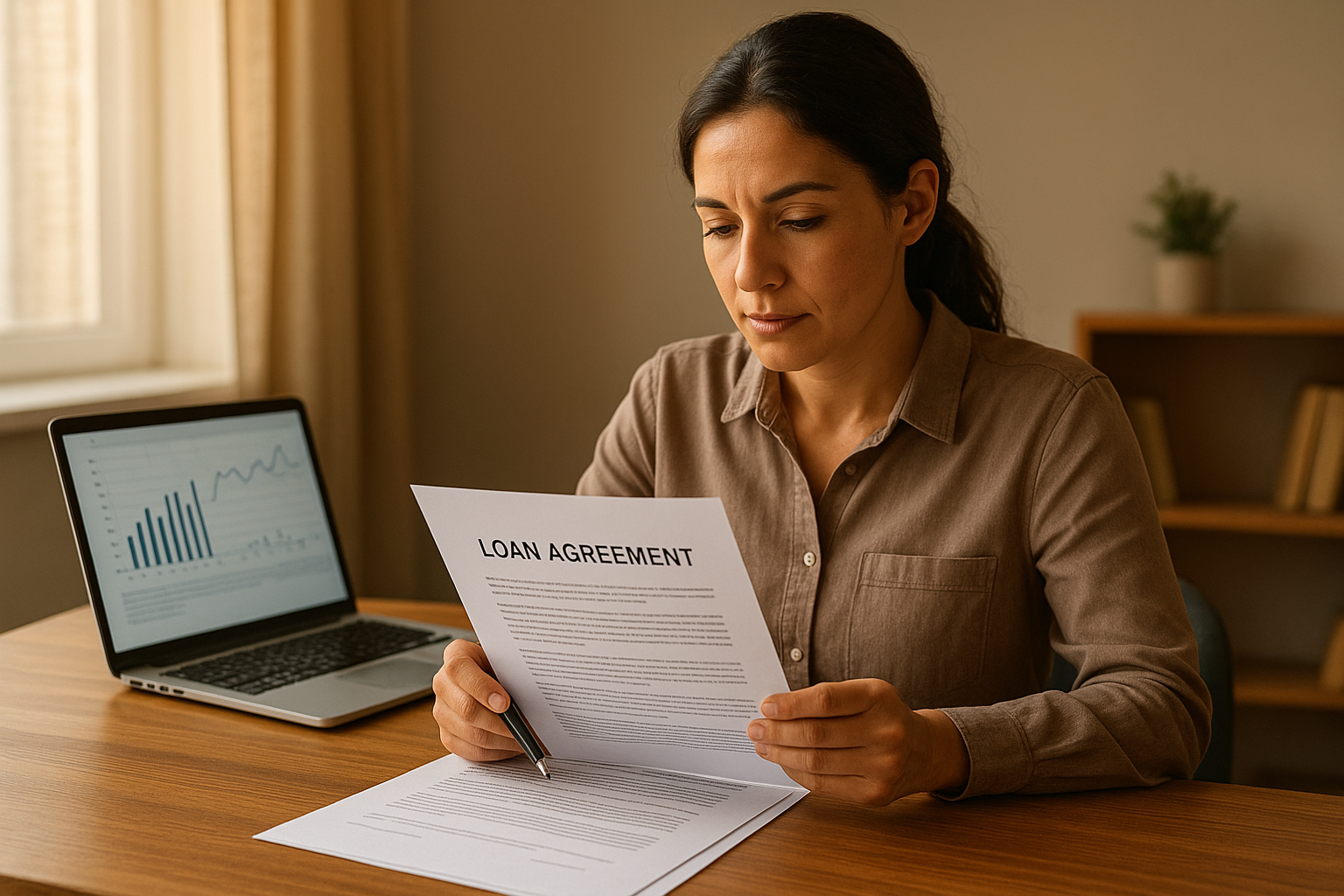
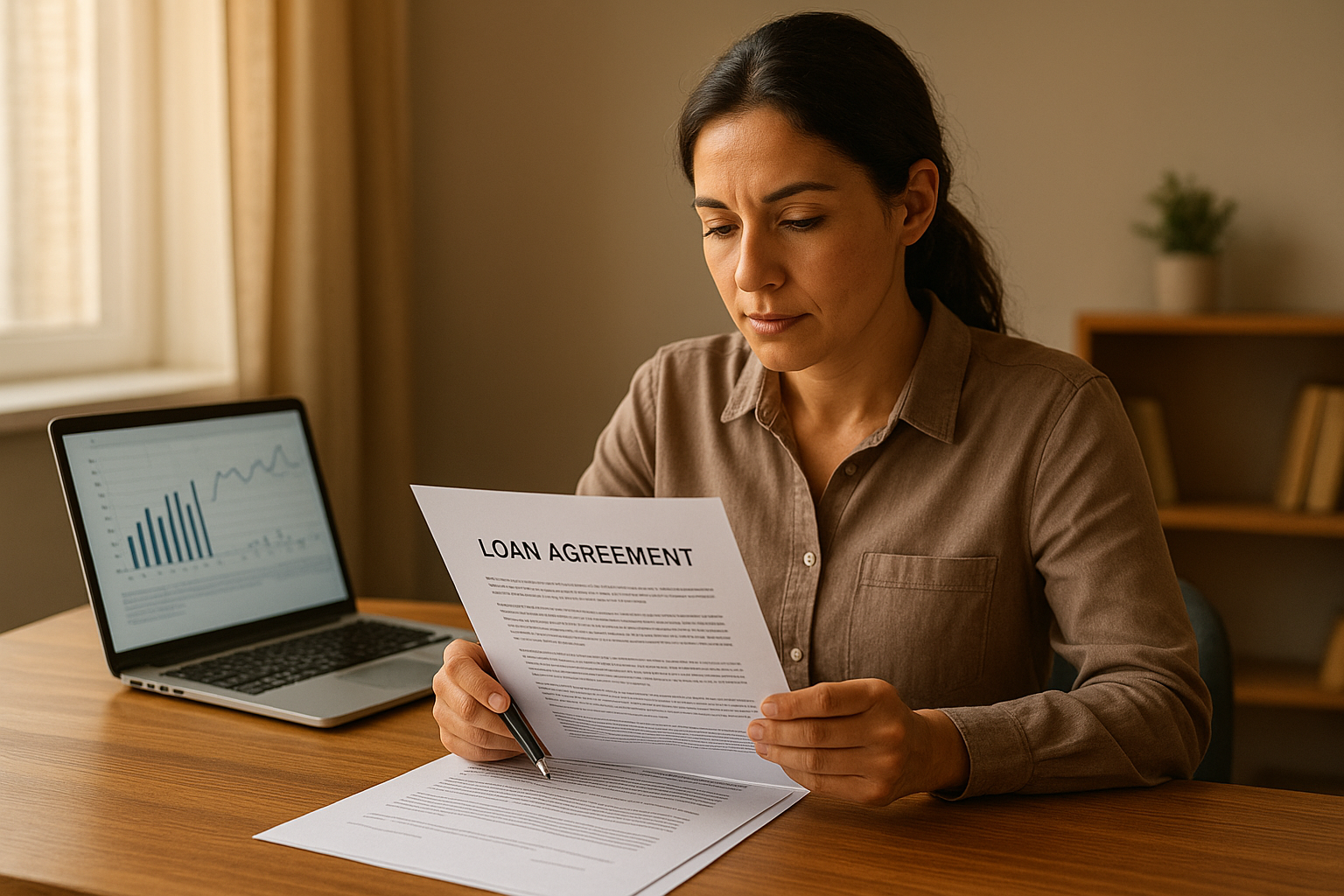
Reviewing the full repayment schedule helps borrowers confirm they are getting short term business loans with low interest, not just a low headline rate.
Who Qualifies for Short-Term Small Business Loans?
Established businesses with at least six months of operating history and steady monthly deposits tend to qualify for the best pricing. Specifically, lenders look for consistent revenue, a manageable debt load, and a credit score that shows responsible repayment behavior.
Above all, documented cash flow matters more than a perfect credit score for many alternative lenders. In particular, businesses generating $20,000 or more in monthly revenue are generally strong candidates for working capital loans, lines of credit, or short-term term loans. Business owners exploring their options can review how to qualify quickly for working capital loans to understand documentation requirements before applying.
According to the U.S. Small Business Administration, SBA 7(a) loan interest rates are capped at a margin over the prime rate, ranging from roughly prime plus 2.25% to prime plus 4.75% depending on loan size and term. This structure illustrates why loan size and repayment length directly influence the final rate a business receives.
Comparing Short-Term Loans vs Other Fast Funding Options
Not every fast-funding product fits every business. Therefore, comparing structures side by side helps owners avoid overpaying for speed.
| Funding Type | Typical Term | Best For |
|---|---|---|
| Short-Term Business Loan | 3 months–3 years | One-time projects, expansion, payroll gaps |
| Business Line of Credit | Revolving | Recurring cash flow gaps |
| Merchant Cash Advance | Weeks–months | Urgent needs, higher risk tolerance |
| Equipment Financing | 1–5 years | Purchasing machinery or vehicles |
In contrast to a merchant cash advance, a short-term loan with a fixed schedule generally offers more predictable repayment. For a broader look at products with fast approval and minimal paperwork, this overview of small business loans with fast approval compares several options in more detail.
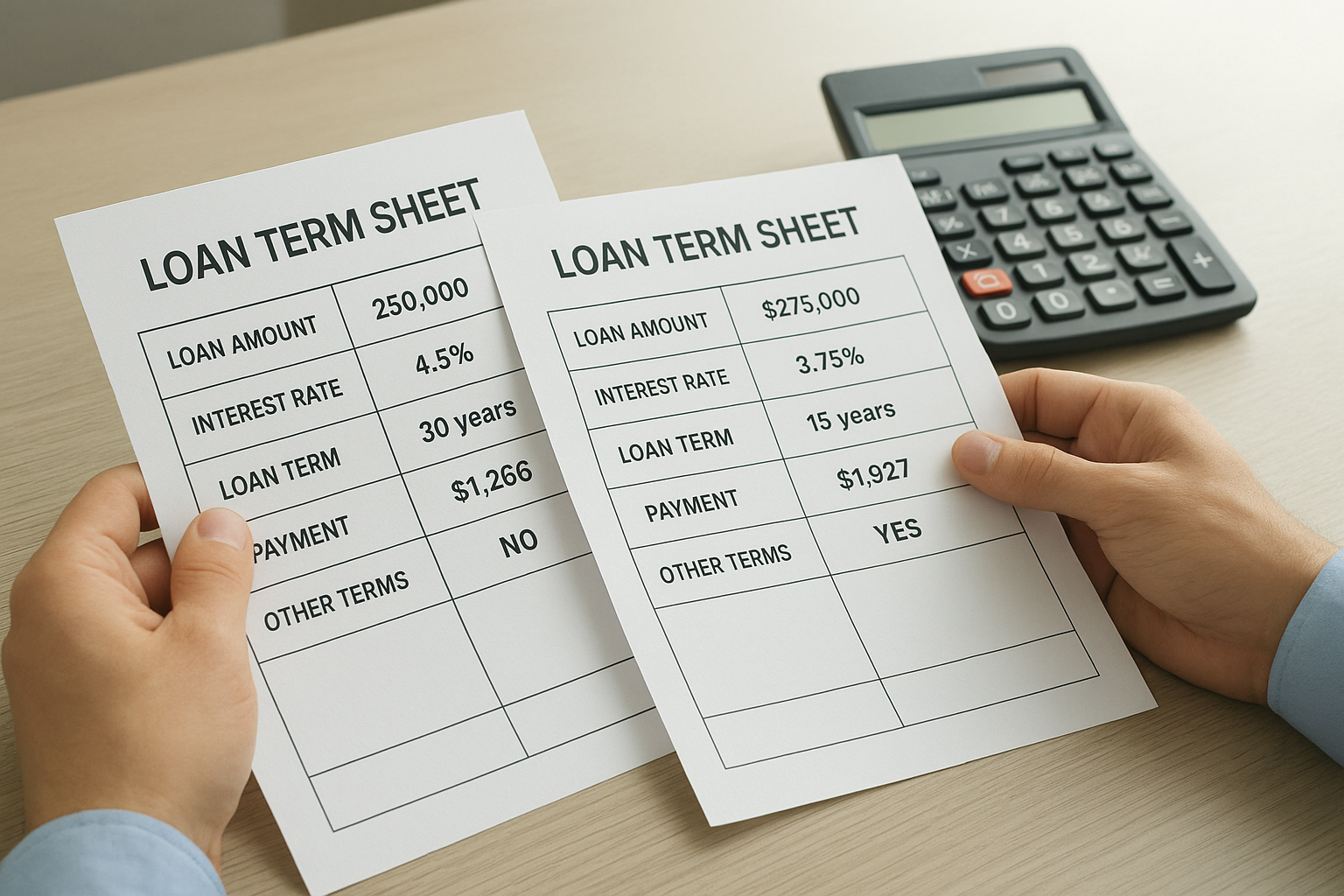
Side-by-side comparisons make it easier to spot which offers qualify as short term business loans with low interest. For a deeper walkthrough, see our What Do I Need to Qualify for a Business Loan?.
Steps to Get Short Term Business Loans With Low Interest Rates
Securing favorable pricing takes a bit of preparation. The following process outlines what most lenders expect from applicants.
- Review your financial documents. Gather at least three to six months of bank statements, recent tax returns, and a profit and loss summary so lenders can quickly evaluate your monthly revenue and repayment capacity.
- Check your credit profile. Pull your personal and business credit reports to identify your current score range, since this directly influences which lenders will offer the lowest available interest rates.
- Compare multiple lenders. Request quotes from at least three financing sources, comparing the annual percentage rate, total repayment amount, term length, and any origination or prepayment fees side by side.
- Submit your application. Complete the lender’s application with accurate revenue figures and supporting documents, since inconsistent information can delay approval or result in a less favorable rate offer.
- Review terms before signing. Read the full repayment schedule, confirm the total cost of borrowing, and clarify any prepayment penalties before accepting funds so there are no surprises during repayment.
For a walkthrough of the full funding process, from application to disbursement, see this guide on how to get a small business financing loan funded fast. For a deeper walkthrough, see our SBA Small Business Loan Guide: Rates, Terms & How to Qualify.
Common Mistakes to Avoid When Seeking Low-Interest Funding
Even well-run businesses make avoidable errors when shopping for financing. For instance, accepting the first offer without comparing at least two or three alternatives often means overpaying.
Similarly, some owners focus only on the headline rate and overlook origination fees, prepayment penalties, or daily withdrawal amounts that strain cash flow. In addition, applying with incomplete bank statements can slow approval or push a lender toward a higher-risk, higher-cost offer. Consequently, organizing documentation ahead of time and reading the full contract before signing remain two of the simplest ways to protect a business’s bottom line.

Well-planned financing helps business owners restock inventory without disrupting daily cash flow.
Frequently Asked Questions
What are short term business loans with low interest?
Short term business loans with low interest are financing products, typically repaid within three months to three years, that carry a lower annual percentage rate than merchant cash advances or high-cost alternative funding. They give qualified businesses fast capital without the long-term commitment of a traditional term loan.
How do short-term business loans differ from long-term loans?
Short-term loans are repaid in months rather than years and usually fund faster with less documentation. Long-term loans, such as SBA 7(a) loans, spread payments over five to twenty-five years and often require more collateral and paperwork.
Why do lenders offer lower interest rates on some short-term loans?
Lenders reduce rates for borrowers with strong revenue, solid credit, and consistent cash flow because the perceived risk is lower. Businesses that demonstrate reliable repayment history typically qualify for the most competitive pricing available.
How much can I borrow with a short-term business loan?
Loan amounts generally range from $30,000 to several million dollars, depending on the lender and the business’s monthly revenue. Most short-term lenders want to see at least $20,000 in monthly gross revenue before approving larger amounts.
How fast can I get approved for low-interest short-term funding?
Many online and alternative lenders approve applications within 24 to 48 hours and can fund same-day once documents are verified. Traditional bank loans and SBA products usually take longer, often two to eight weeks.
What credit score is needed to qualify?
Many alternative lenders accept credit scores in the mid-600s, though the lowest rates typically go to borrowers above 680. Strong business revenue can sometimes offset a lower personal credit score.
What documents are required to apply?
Most lenders request recent bank statements, a government-issued ID, proof of business ownership, and basic financial statements. Some short-term products require minimal paperwork compared to bank or SBA loans.
Are short term business loans with low interest better than a business line of credit?
It depends on the need: a term loan delivers a lump sum for a specific project, while a line of credit offers revolving access to funds as needed. Businesses with recurring cash flow gaps often prefer a line of credit, while one-time purchases suit a term loan.
What is the average cost of a short-term business loan?
Costs vary widely by lender type, risk profile, and loan structure, so businesses should compare the total repayment amount, not just the advertised rate. Requesting a full cost breakdown before signing helps avoid surprises.
What common mistakes should I avoid when applying?
Common mistakes include accepting the first offer without comparing rates, underestimating repayment obligations, and ignoring prepayment penalties. Reviewing the full repayment schedule before signing helps prevent cash flow strain later.
Can a startup qualify for low-interest short-term financing?
Most low-interest short-term products require at least six months to a year of operating history and consistent monthly revenue. Newer businesses may need to explore equipment financing or invoice financing instead until they build a track record.
What is the best way to compare lenders?
Compare the annual percentage rate, total repayment amount, fees, and funding speed across at least three lenders. Reading the full contract terms, not just the marketing rate, ensures an accurate comparison.
Do short-term loans require collateral?
Many short-term business loans are unsecured, relying on revenue and credit rather than collateral, though some lenders may require a personal guarantee. Secured options, like equipment financing, use the purchased asset as collateral instead.
How does revenue affect loan pricing?
Higher and more consistent monthly revenue generally leads to better pricing because it signals lower default risk to the lender. Seasonal or inconsistent revenue may result in higher rates or shorter repayment terms.
Final Thoughts
Finding short term business loans with low interest ultimately comes down to preparation: organized financial documents, a clear understanding of credit standing, and a willingness to compare more than one lender before signing. As shown throughout this guide, the businesses that secure the best pricing are typically those with consistent monthly revenue and a documented repayment history.
Therefore, before accepting the first funding offer that arrives, take time to review the total repayment amount, not just the headline rate. Business owners exploring their options nationwide can visit USA Patriot Loans to compare working capital, SBA, and short-term financing solutions built for established small and medium-sized businesses.