
Term loans for small business owners provide a lump sum of capital that is repaid over a fixed schedule, usually with a set interest rate and predictable monthly payments. For business owners who need reliable funding without constant renegotiation, this type of financing remains one of the most straightforward options available. In addition, because the repayment terms are locked in from the start, owners can plan their budgets with far more confidence than variable-payment products allow.
Direct answer: Term loans for small business owners are fixed-rate financing products that deliver a one-time lump sum, repaid in equal installments over a set period, typically ranging from one to ten years depending on the loan’s size and purpose.
What Are Term Loans for Small Business Owners?
Term loans for small business owners are a form of commercial financing where a lender issues a fixed amount of money upfront. The borrower then repays that amount, plus interest, through scheduled payments until the loan matures. Unlike revolving credit, there is no re-borrowing once the balance is paid down. Consequently, this structure appeals to owners who prefer a clear end date and a fixed obligation rather than an open-ended credit line.
Because the payment amount stays the same each cycle, cash flow forecasting becomes simpler. For example, a business financing a new location can calculate exactly how much the monthly payment will reduce available cash, which helps with longer-term planning.
How Business Term Financing Works
Most lenders evaluate a handful of core factors before approving a term loan: time in business, monthly revenue, credit history, and the intended use of funds. As a result, businesses that generate at least $20,000 in monthly revenue and have been operating for a year or more generally see more competitive offers.
Once approved, funds are typically deposited directly into the business bank account. From there, repayment begins on a set schedule, often weekly, biweekly, or monthly, depending on the lender and loan structure. Specifically, shorter-term loans tend to carry higher payment frequency, while longer-term loans spread payments out over more time.
According to the U.S. Small Business Administration, the agency backed over $27 billion in 7(a) loans during fiscal year 2023, underscoring how significant structured term financing has become for small business growth nationwide. For a deeper look at how rates are calculated across different loan types, see this breakdown of how bank interest rates work for small business loans.

Reviewing the fine print carefully is an essential step before accepting any term loans for small business owners.
Types of Small Business Term Loans
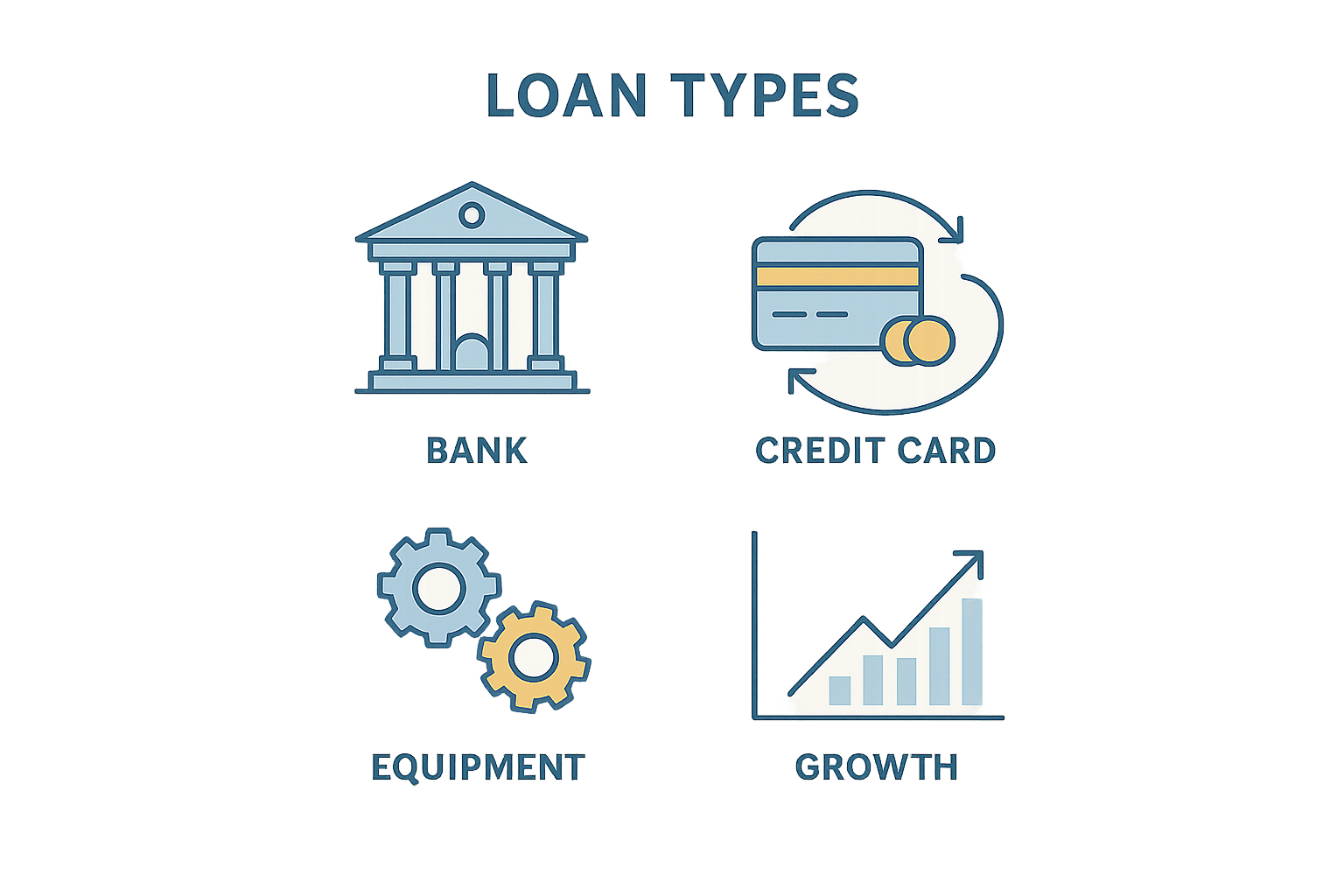
Not all term loans are structured the same way. In particular, three common categories stand out for small and growing companies:
- Short-term loans: Repaid within three to eighteen months, often used for urgent cash flow gaps or inventory purchases.
- Medium-term loans: Repaid over one to five years, commonly used for equipment, hiring, or moderate expansion projects.
- Long-term loans: Stretch beyond five years and typically fund larger investments such as real estate or major renovations.
Businesses evaluating equipment purchases, for instance, often compare term loans against specialized options. This equipment financing guide outlines when a dedicated equipment loan might fit better than a general term loan.
Benefits of Term Loans for Small Business Owners
There are several reasons term loans for small business owners remain a popular financing choice. Above all, the predictability of fixed payments allows for easier long-term budgeting. Furthermore, interest rates on term loans, especially bank and SBA-backed options, tend to be lower than many revolving or short-term alternatives.
In addition, term loans can be used for a wide range of purposes, from working capital and payroll to expansion and large equipment purchases. Similarly, building a positive repayment history on a term loan can strengthen a business’s credit profile, making future financing easier to secure.
How to Qualify for a Small Business Term Loan
Qualification standards vary by lender, but most review similar core criteria. Specifically, lenders typically ask for proof of consistent revenue, a reasonable credit history, and documentation showing how the funds will be used. Established businesses with steady cash flow generally qualify for better rates and larger amounts.
For a closer look at how established companies position themselves for approval, this resource on business loans for established small businesses explains the underwriting factors lenders weigh most heavily.
Step-by-Step: How to Apply for a Term Loan
Applying for a term loan does not need to be complicated. Therefore, following a clear sequence of steps can help small business owners move through the process efficiently.
- Determine exactly how much capital is needed and what it will be used for, such as equipment, expansion, or working capital, before approaching any lender.
- Gather bank statements, tax returns, profit and loss statements, and ownership documentation so the application moves through underwriting quickly.
- Request quotes from multiple lenders and compare interest rates, repayment terms, fees, and funding speed to identify the strongest overall offer.
- Complete the application with accurate information and upload all required documentation to avoid unnecessary delays during review.
- Carefully review the signed agreement, including the full repayment schedule and total cost, before accepting the funds into the business account.
Business owners seeking a faster process may want to review this guide to fast approval loans with minimal paperwork for comparison.

A clear agreement protects both the lender and the borrower throughout the loan term.
Term Loans vs Other Financing Options
Choosing between financing products depends heavily on the business’s goals. The table below compares term loans against two common alternatives.
| Feature | Term Loan | Line of Credit | Merchant Cash Advance |
|---|---|---|---|
| Payment structure | Fixed installments | Pay as drawn | Factor rate on sales |
| Best for | One-time large expenses | Ongoing fluctuating needs | Fast, flexible cash needs |
| Typical cost | Lower overall | Moderate | Higher overall |
For a broader overview of how these products fit into overall business strategy, this funding guide for small companies covers additional financing structures worth comparing.
Common Mistakes to Avoid With Small Business Term Loans
Even experienced business owners sometimes make avoidable errors when seeking term loans for small business owners. For instance, borrowing more than necessary increases total interest paid over the life of the loan. Likewise, failing to compare multiple lenders often results in missing a better rate or more favorable terms elsewhere.
Incomplete documentation is another frequent cause of delays. Therefore, preparing financial statements and tax returns in advance can prevent unnecessary back-and-forth during underwriting. As defined by Wikipedia’s overview of term loans, these products are structured around a fixed repayment schedule, which makes accuracy in the initial application especially important.

Many owners use term loan proceeds to restock inventory or fund seasonal growth.
Where to Find Term Loans for Small Business Owners
Business owners can explore term loans through traditional banks, SBA-approved lenders, and alternative financing companies. Traditional banks often offer the lowest rates but require stronger credit and longer processing times. In contrast, alternative lenders, including USA Patriot Loans, focus on faster turnaround and more flexible qualification standards for established businesses generating at least $20,000 in monthly revenue.
Government-backed resources, such as the U.S. Small Business Administration’s loan programs, also remain a valuable starting point for owners comparing fixed-rate options. Meanwhile, broader economic research from the Federal Reserve’s Small Business Credit Survey highlights how access to predictable financing continues to shape growth decisions across the country.
Frequently Asked Questions
What are term loans for small business owners?
Term loans for small business owners are lump-sum financing products repaid over a fixed period with scheduled payments, typically monthly. They include a set interest rate and a defined end date, making budgeting predictable.
How do small business term loans work?
A lender provides a set amount of capital upfront, and the business repays it in fixed installments that include principal and interest. Terms generally range from one to ten years depending on the loan amount and purpose.
Why should a business choose a term loan over a line of credit?
A term loan is better for one-time, large expenses like equipment or expansion, while a line of credit suits ongoing or fluctuating cash flow needs. Term loans also offer fixed payments, which simplify long-term financial planning.
How much can small business owners borrow with a term loan?
Loan amounts commonly range from $30,000 to several million dollars, depending on revenue, time in business, and the lender’s underwriting criteria. Larger amounts usually require stronger financials and collateral.
What credit score is needed for a term loan?
Many lenders look for a personal credit score of 600 or higher, though requirements vary by lender and loan type. Strong revenue and cash flow can sometimes offset a lower credit score.
How long does it take to get approved for a term loan?
Approval can take anywhere from one business day to several weeks, depending on the lender and loan size. Alternative lenders often move faster than traditional banks because they rely on streamlined underwriting.
What are typical interest rates on term loans?
Rates vary widely based on creditworthiness, loan term, and lender type, ranging from single digits for bank and SBA loans to higher rates for short-term alternative financing. Comparing multiple offers helps business owners secure competitive terms.
What documents do I need to apply for a term loan?
Lenders typically request bank statements, tax returns, a profit and loss statement, and proof of business ownership. Some lenders also ask for a business plan or collateral documentation for larger requests.
Can startups qualify for small business term loans?
Startups face more limited options since most lenders prefer at least one to two years of operating history and consistent revenue. Newer businesses may need to explore alternative financing or wait until they build a stronger track record.
What is the difference between short-term and long-term business loans?
Short-term loans are repaid within three to eighteen months and often fund urgent or smaller needs, while long-term loans stretch from two to ten years for larger investments. Short-term loans usually carry higher rates but faster funding.
What are common mistakes when applying for a term loan?
Common mistakes include borrowing more than necessary, ignoring the total repayment cost, and failing to compare multiple lenders. Incomplete documentation is another frequent cause of delays or denials.
How do I choose the best lender for a term loan?
Compare interest rates, repayment terms, funding speed, and customer reviews before selecting a lender. It also helps to work with a lender experienced in your industry and loan size.
Are term loans better than merchant cash advances?
Term loans generally cost less over time because they use fixed interest rather than a factor rate applied to future sales. However, merchant cash advances can fund faster for businesses that cannot qualify for traditional term loans.
What happens if I miss a payment on a term loan?
Missing a payment can trigger late fees, a lowered credit score, and potential default if missed payments continue. Business owners should contact their lender immediately to discuss options before a payment is missed.
Final Thoughts on Term Loans for Small Business Owners
Ultimately, term loans for small business owners offer a dependable path to funding major purchases, expansion projects, and working capital needs without the uncertainty of variable payments. As a result, business owners who take the time to compare lenders, prepare documentation, and understand repayment terms tend to secure better outcomes. Whether the goal is new equipment, additional staff, or simply smoother cash flow, a well-structured term loan can provide the stability needed to move forward with confidence.