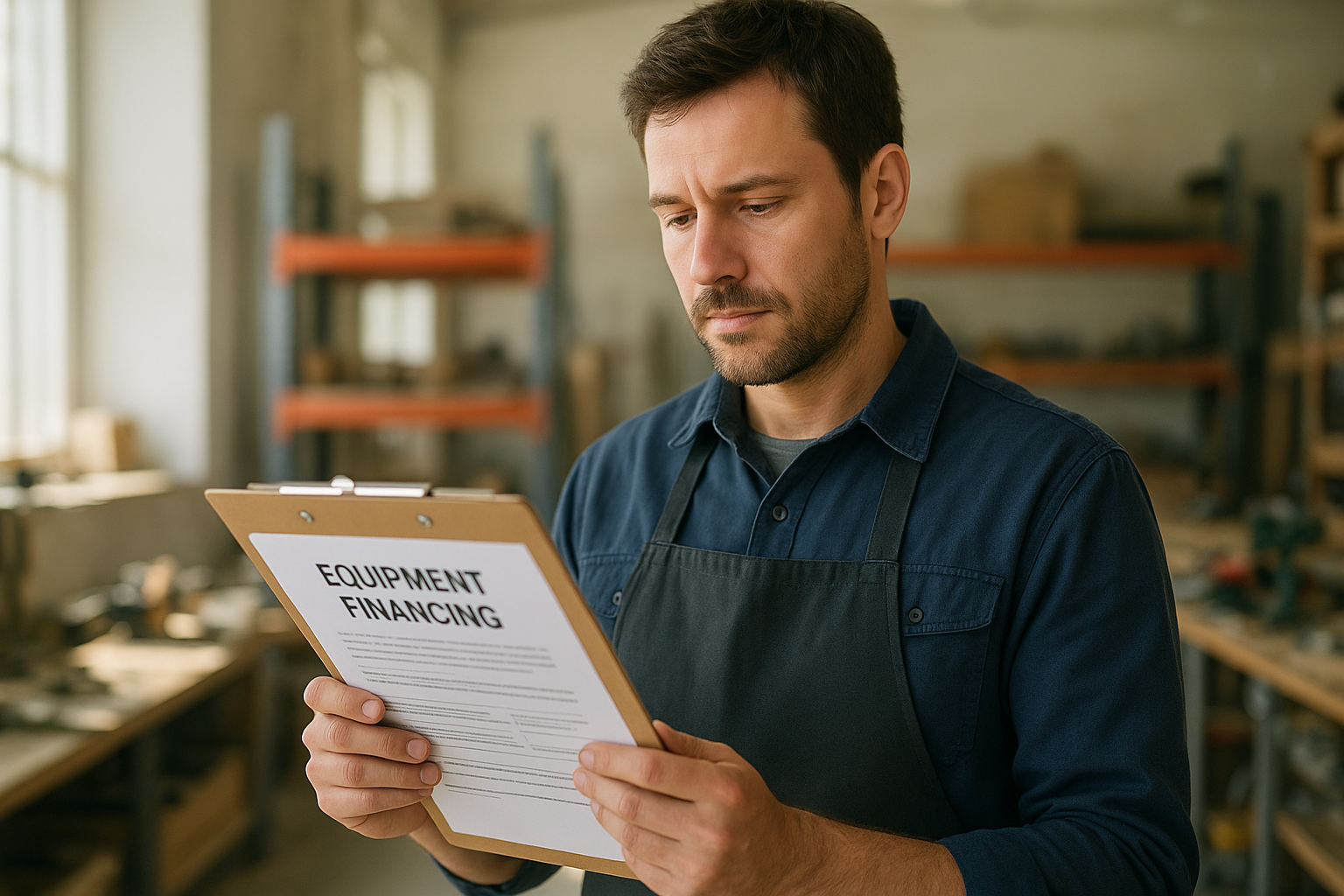
Equipment financing for small to medium business is one of the fastest ways to acquire machinery, vehicles, or technology without draining cash reserves. Instead of paying the full purchase price upfront, a business owner borrows against the value of the equipment itself and repays the loan over time. For many companies, this type of funding bridges the gap between growth opportunities and the capital needed to seize them. In fact, according to the U.S. Small Business Administration, access to affordable capital remains one of the biggest challenges facing small business owners nationwide. This guide explains how equipment financing works, what it costs, and how to qualify quickly.
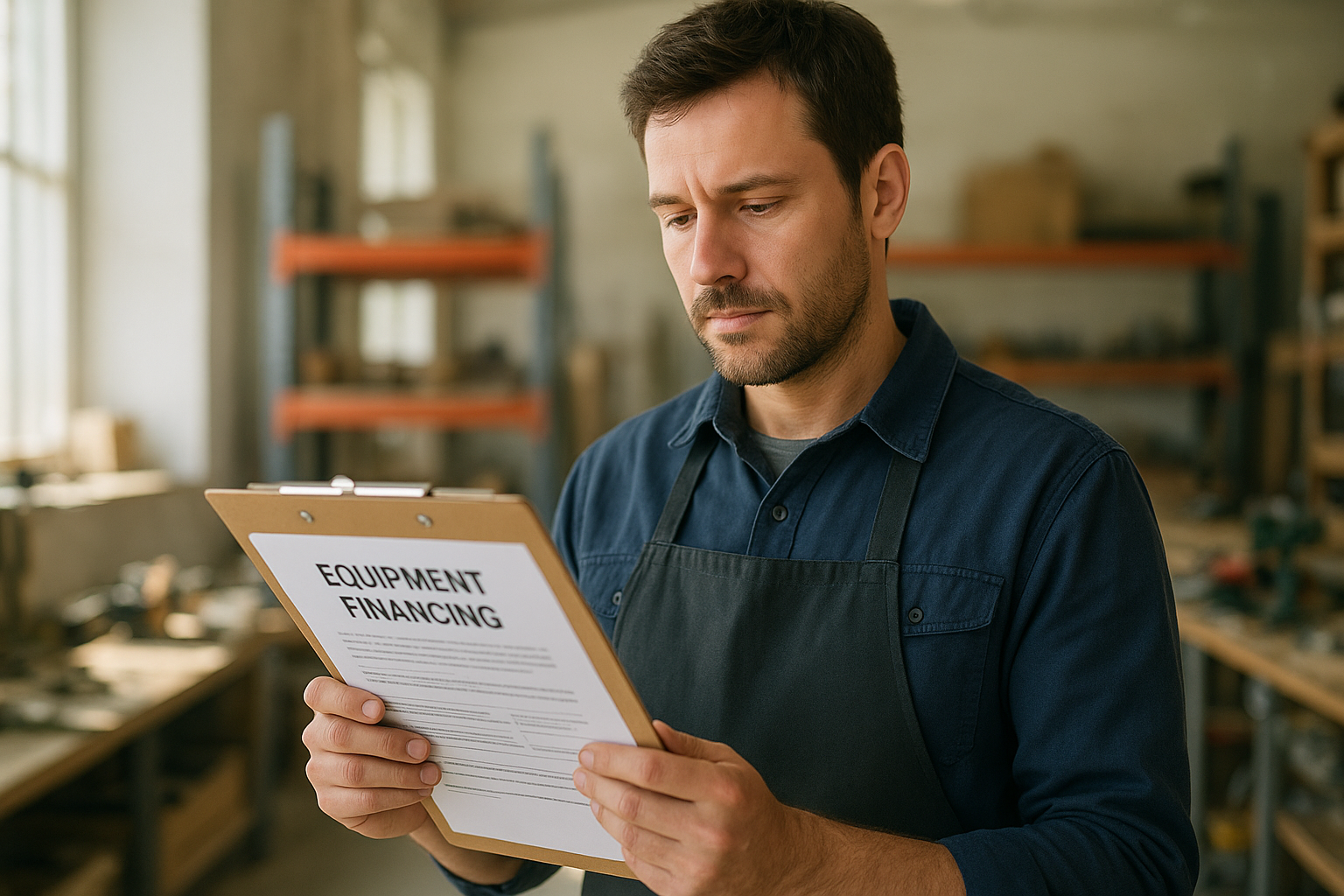
Reviewing loan terms carefully is the first step toward smart equipment financing for small to medium business.
What Is Equipment Financing for Small to Medium Business?
Equipment financing for small to medium business is a loan or lease arranged specifically to help companies purchase tools, vehicles, machinery, or technology they need to operate and grow. The equipment itself usually serves as collateral, which means lenders take on less risk and can often approve funding faster than an unsecured loan. Terms typically range from 24 to 84 months, depending on how long the equipment financing arrangement expects the asset to remain useful.
As a result, monthly payments stay predictable and manageable even for businesses with tight cash flow. Unlike a general working capital loan, these funds must be used for a specific asset, such as a delivery truck, commercial oven, or manufacturing press. To see the full mechanics behind approval and funding timelines, this breakdown of how equipment financing works for small businesses walks through each stage in detail.
How Does Equipment Financing Work in Practice?
The process usually starts when a business owner selects the equipment and gets a quote from a vendor. Next, the lender reviews the quote, the business’s financials, and the equipment’s expected lifespan to determine loan terms. In addition, most lenders require a down payment of 10% to 20%, though some offer 100% financing for strong applicants. Once approved, funds go directly to the vendor, or the lender purchases the equipment and leases it back to the business. Consequently, the business can start using the equipment almost immediately while repaying the loan through fixed monthly installments.
Types of Equipment Financing Options for Growing Companies
Several financing structures fall under this umbrella, and each suits different situations. Equipment term loans spread the cost over a fixed schedule with a set interest rate. Equipment leasing, on the other hand, lets a business use the asset without owning it outright, which can be useful for technology that becomes outdated quickly. SBA 7(a) loans can also cover equipment purchases, though they typically involve longer approval timelines. For businesses deciding between these paths, this comparison of which business financing is best for equipment purchases breaks down the pros and cons of each option side by side.
Key Benefits of Financing Equipment Instead of Paying Cash
Above all, equipment financing preserves working capital for payroll, inventory, and day-to-day operations. Because the loan is secured by the asset, interest rates are often lower than unsecured business loans or credit lines. Furthermore, Section 179 of the U.S. tax code allows many businesses to deduct the full purchase price of qualifying equipment in the year it is placed into service, which can meaningfully lower tax liability.
Similarly, making consistent payments on time helps build a stronger business credit profile, opening doors to better financing terms down the road. For a broader look at how equipment financing fits into a company’s overall funding strategy, this capital finance guide on funding your business fast offers additional context.
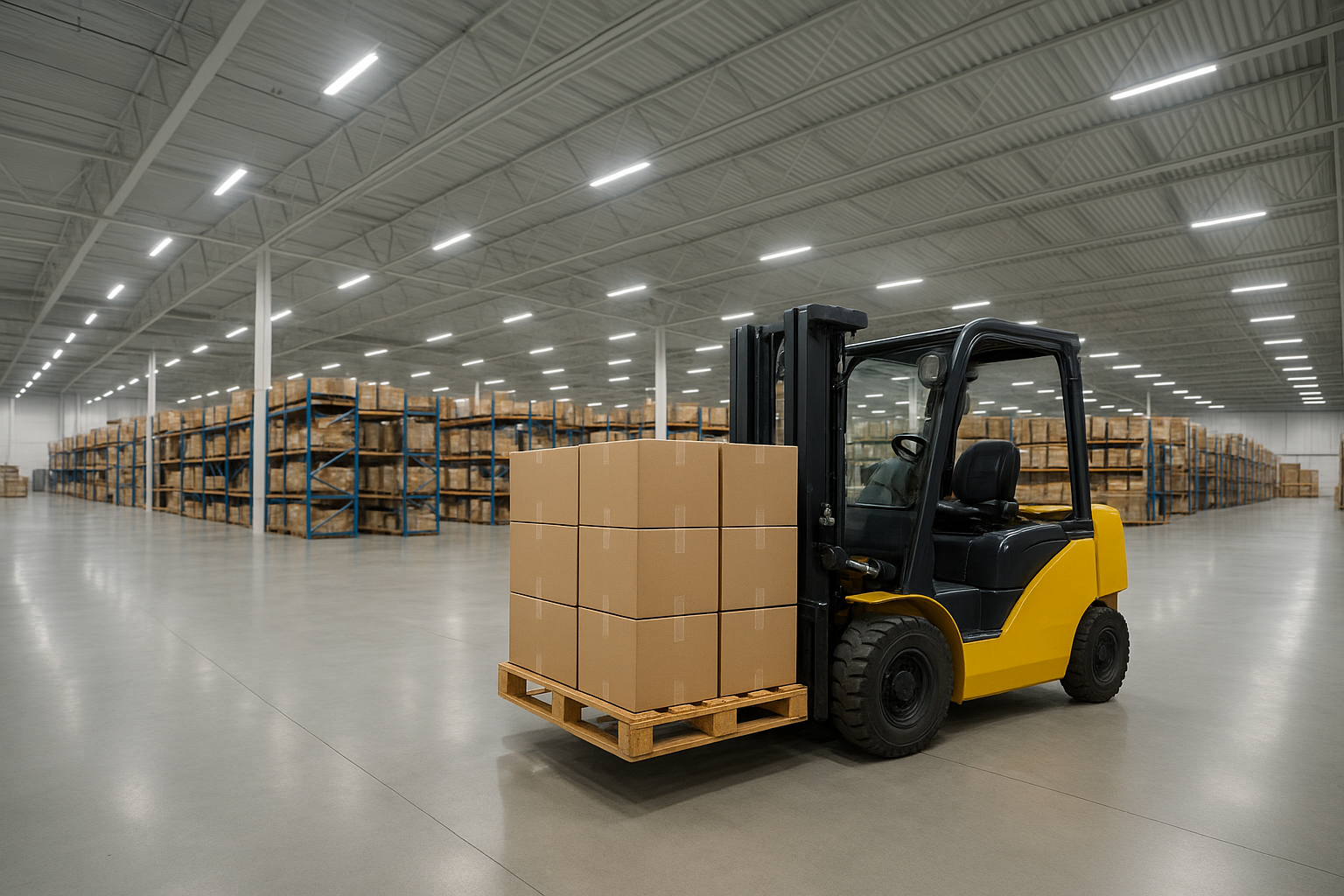
Heavy machinery like forklifts is a common asset purchased through equipment financing programs.
How to Qualify for Equipment Financing: A Step-by-Step Guide
Qualifying for equipment financing is generally more straightforward than qualifying for an unsecured loan, since the equipment backs the loan itself. However, lenders still review several factors before approving an application. The following steps outline what to expect during the process.
- Confirm time in business and revenue. Most lenders want to see at least six months to one year in operation and consistent monthly revenue, often starting around $20,000 per month, to qualify for competitive terms.
- Gather financial documentation. Prepare recent bank statements, tax returns, and a profit and loss statement so the lender can quickly verify income and cash flow trends.
- Select the equipment and request a vendor quote. Identify the specific machinery, vehicle, or technology needed and obtain a formal quote, since lenders use this figure to structure the loan amount and terms.
- Compare lenders and loan structures. Review interest rates, down payment requirements, and repayment terms across multiple lenders to find the option that fits the business’s cash flow best.
- Submit the application and finalize funding. Once approved, sign the agreement and funds are typically released to the vendor within a few business days, allowing operations to continue without delay.
For businesses that need funding even faster, particularly when equipment purchases overlap with payroll obligations, this guide on where to get quick business funding for equipment and payroll covers same-day and short-term options.
Equipment Financing vs. Other Business Funding Options
Equipment financing is not the only path to funding growth, and comparing it against alternatives helps business owners choose wisely. A business line of credit offers more flexibility since funds can be used for nearly anything, but it generally carries higher rates for unsecured amounts. Invoice financing, in contrast, advances cash against unpaid customer invoices rather than financing a physical asset, which makes it a better fit for cash flow gaps caused by slow-paying clients.
For businesses juggling both equipment needs and outstanding receivables, this guide to invoice financing solutions for small business cash flow explains how the two strategies can work together. Meanwhile, merchant cash advances provide speed but often cost more over time, making them less suitable for large equipment purchases.
What Does Equipment Financing Cost?
Costs vary based on credit profile, equipment type, and lender. Generally, rates range from roughly 6% to 20% APR for well-qualified borrowers, though some short-term or lower-credit options carry higher factor rates. According to the Federal Reserve’s Small Business Credit Survey, a majority of small business owners who sought financing in recent years cited funding speed and approval odds as bigger concerns than rate alone.
Therefore, it is worth weighing total repayment cost against how quickly the funding arrives and how it affects operations. Businesses exploring their options nationwide can review current programs through USA Patriot Loans to compare rates and terms before committing to a specific lender.
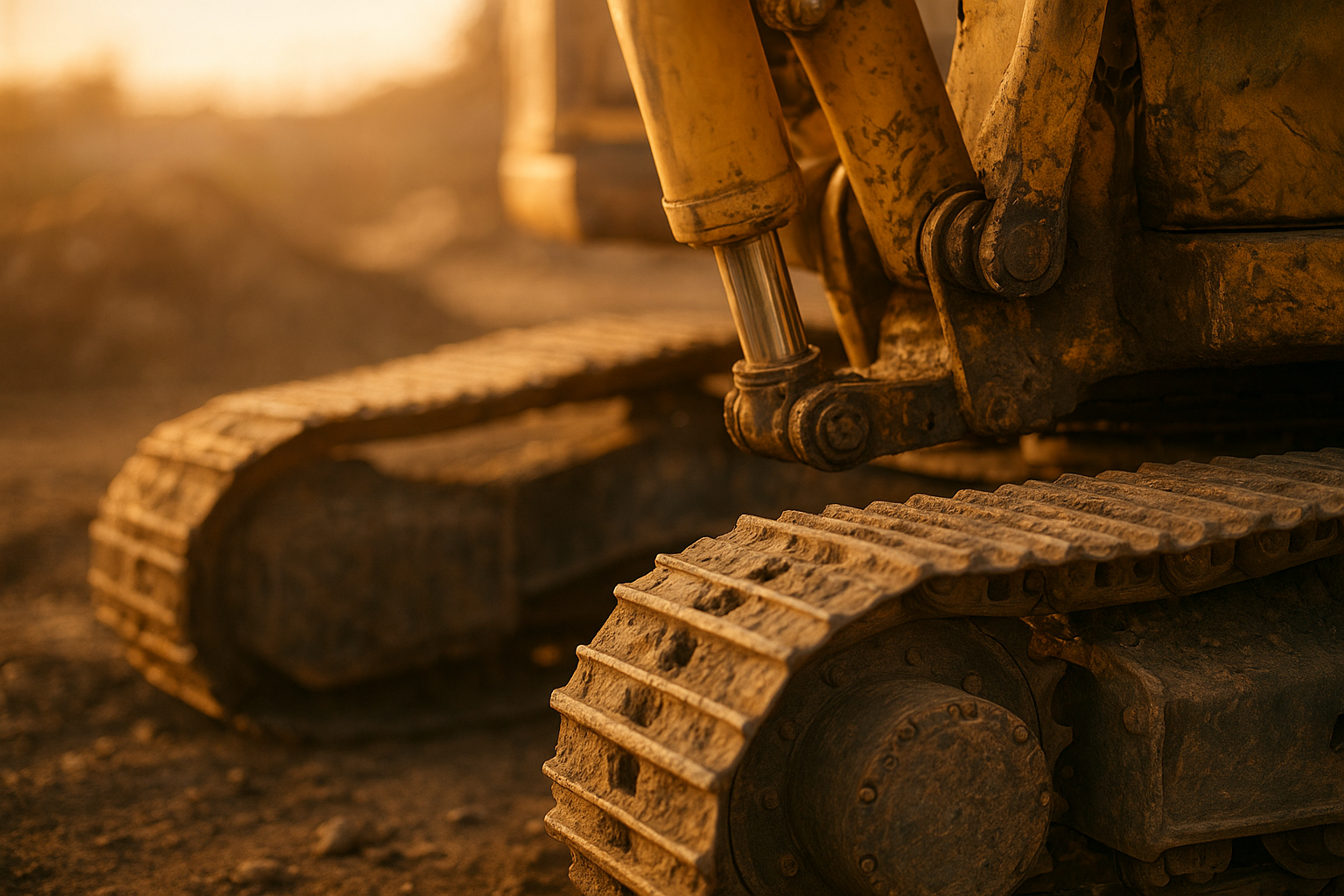
Construction and contracting companies frequently rely on financing to add heavy equipment without a large upfront cost.
Common Mistakes to Avoid When Financing Equipment
Even straightforward financing decisions can go wrong without careful planning. For instance, some business owners finance equipment they do not fully need, stretching cash flow thin for an asset that sits underused. Others skip comparing multiple lenders and accept the first offer, missing out on better rates elsewhere.
In particular, failing to read prepayment penalty clauses can cost thousands if the business later wants to pay off the loan early. Similarly, underestimating maintenance and operating costs tied to new equipment can strain budgets that were calculated around the loan payment alone. Avoiding these pitfalls starts with comparing offers and reading terms closely before signing.
Frequently Asked Questions About Equipment Financing for Small to Medium Business
What is equipment financing for small to medium business?
Equipment financing for small to medium business is a loan or lease used specifically to purchase machinery, vehicles, or technology, with the equipment itself typically serving as collateral. This structure often allows for faster approval and lower rates than unsecured funding.
How does equipment financing work?
A lender provides funds to purchase a specific piece of equipment, which then secures the loan. The business repays the amount through fixed monthly payments over a term usually between two and seven years.
How much can a small business borrow for equipment?
Loan amounts typically range from $30,000 to several million dollars, depending on the equipment’s value and the business’s financial profile. Larger purchases, such as heavy machinery, generally require more documentation.
What credit score is needed to qualify for equipment financing?
Many lenders accept credit scores in the 600s, though scores above 680 usually unlock better rates. Because the equipment secures the loan, approval standards are often more flexible than unsecured financing.
How fast can a business get equipment financing?
Funding can arrive in as little as 24 to 72 hours for straightforward applications with complete documentation. More complex purchases, such as specialized manufacturing equipment, may take one to two weeks.
What can equipment financing be used for?
It can cover vehicles, construction machinery, medical equipment, restaurant appliances, office technology, and most other income-producing business assets. Lenders generally require the equipment to have resale value that supports the loan.
Is equipment financing better than a general business loan?
It depends on the purpose. Equipment financing usually offers lower rates for asset purchases, while a general working capital loan or line of credit provides more flexibility for operating expenses.
What are typical equipment financing rates?
Rates commonly range from about 6% to 20% APR, depending on credit profile, down payment, and equipment type. Businesses with stronger financials and established credit history typically receive the lowest rates.
Do I need a down payment for equipment financing?
Most lenders require 10% to 20% down, though some offer 100% financing for qualified borrowers with strong credit and revenue history. A larger down payment can also lower the monthly payment and total interest paid.
What happens if a business defaults on equipment financing?
Because the equipment secures the loan, the lender can typically repossess the asset to recover losses. Default can also damage business credit, making future financing harder to obtain.
Can a startup qualify for equipment financing?
Some lenders work with newer businesses, though most prefer at least six months to a year of operating history and consistent revenue. Startups without that track record may need a larger down payment or a co-signer.
What is the difference between equipment financing and equipment leasing?
Equipment financing typically leads to ownership once the loan is paid off, while leasing allows use of the equipment for a set period without ownership. Leasing can suit assets that become outdated quickly, such as computers.
What documents are needed to apply for equipment financing?
Lenders generally request recent bank statements, business tax returns, a profit and loss statement, and a vendor quote for the equipment. Having these ready in advance speeds up approval.
Can existing equipment be refinanced?
Yes, many lenders offer equipment refinancing, which lets a business access the equity in equipment it already owns. This can free up cash flow or replace a higher-cost loan with better terms.
Final Thoughts on Financing Business Equipment
Choosing the right funding path matters as much as the equipment itself. Ultimately, equipment financing for small to medium business gives owners a practical way to acquire essential assets without tying up cash needed for payroll, inventory, or marketing. Because approval often hinges on the equipment’s value rather than perfect credit, it remains accessible to a wide range of established businesses.
Before applying, compare rates, review total repayment cost, and gather documentation early to keep the process moving quickly. With the right lender and a clear plan, financing new equipment can become one of the most effective ways to support long-term business growth.