
Capital finance is the umbrella term for the loans, credit lines, and funding products that businesses use to cover expenses, purchase equipment, or expand into new markets. For most small business owners, capital finance is the difference between missing an opportunity and seizing it. This guide explains what capital finance actually means, breaks down the main funding options, and shows how a lender such as USA Patriot Loans helps established businesses access $30,000 to $20 million without the delays typical of traditional bank underwriting. For a deeper walkthrough, see our Difference Between Credit Union and Bank Explained.
Quick Answer: Capital finance refers to the range of funding products businesses use to access working capital, including term loans, lines of credit, equipment financing, and revenue-based advances. Most established businesses can qualify based on monthly revenue rather than years of operating history alone. For a deeper walkthrough, see our How Does Equipment Financing Work for Small Businesses?.
What Is Capital Finance?
Capital finance is the category of financial products businesses use to obtain working capital, meaning the money needed to run daily operations, buy inventory, or invest in growth. In short, it covers everything from SBA loans and term loans to lines of credit and short-term business loans.
Because the term is broad, it can feel confusing at first. However, once you break it into categories, the picture becomes clear. Traditional bank products sit on one end of the spectrum, offering lower rates but slower approval. Alternative capital finance products, such as merchant cash advances and revenue-based financing, sit on the other end, trading speed for a higher cost.
According to the Federal Reserve’s 2024 Small Business Credit Survey, a large share of small firms that sought financing did so to cover operating expenses rather than pure expansion, which shows just how central capital finance has become to day-to-day survival, not just growth.

Reviewing capital finance options is the first step toward funding business growth. For a deeper walkthrough, see our Fast Business Funding: Get Capital in 24-48 Hours.
Why Growing Businesses Need Capital Funding
Cash flow gaps happen even in profitable companies. For instance, a contractor may finish a large job but wait 60 days for payment while payroll and materials are due now. In this situation, capital funding bridges the gap so operations never stall.
Similarly, seasonal businesses often need extra inventory before a busy quarter arrives. Without outside funding, many would have to turn down orders simply because cash is tied up elsewhere. As a result, having access to capital finance in advance, rather than scrambling during a crisis, tends to produce better loan terms and less stress.
Types of Business Financing Solutions Available
Not every business needs the same type of financing. Therefore, understanding the main categories helps owners avoid paying for features they do not need. For a deeper walkthrough, see our Business Loans With Flexible Repayment Terms: What Business Owners Need to Know.
Working Capital Loans and Business Lines of Credit
Working capital loans provide a lump sum for near-term needs like payroll or rent, while a business line of credit acts more like a safety net you draw from only when needed. In fact, many owners keep a line of credit open even when they are not using it, simply for peace of mind. To see how these two products differ from bank underwriting, this comparison of working capital financing versus a traditional bank loan breaks down the approval speed and cost differences. Meanwhile, choosing between a line of credit and a lump-sum term loan is covered in this guide on selecting a business line of credit versus a term loan.
Equipment Financing and Revenue-Based Financing
Equipment financing is designed for machinery, vehicles, or technology purchases, and the equipment itself typically serves as collateral, which often results in a lower rate. On the other hand, revenue-based financing ties repayment directly to a percentage of monthly sales, which can be helpful for businesses with fluctuating income. For a deeper look at whether this model fits your situation, read is revenue-based financing a good option for my business, and for equipment-specific guidance, see which business financing is best for equipment purchases.
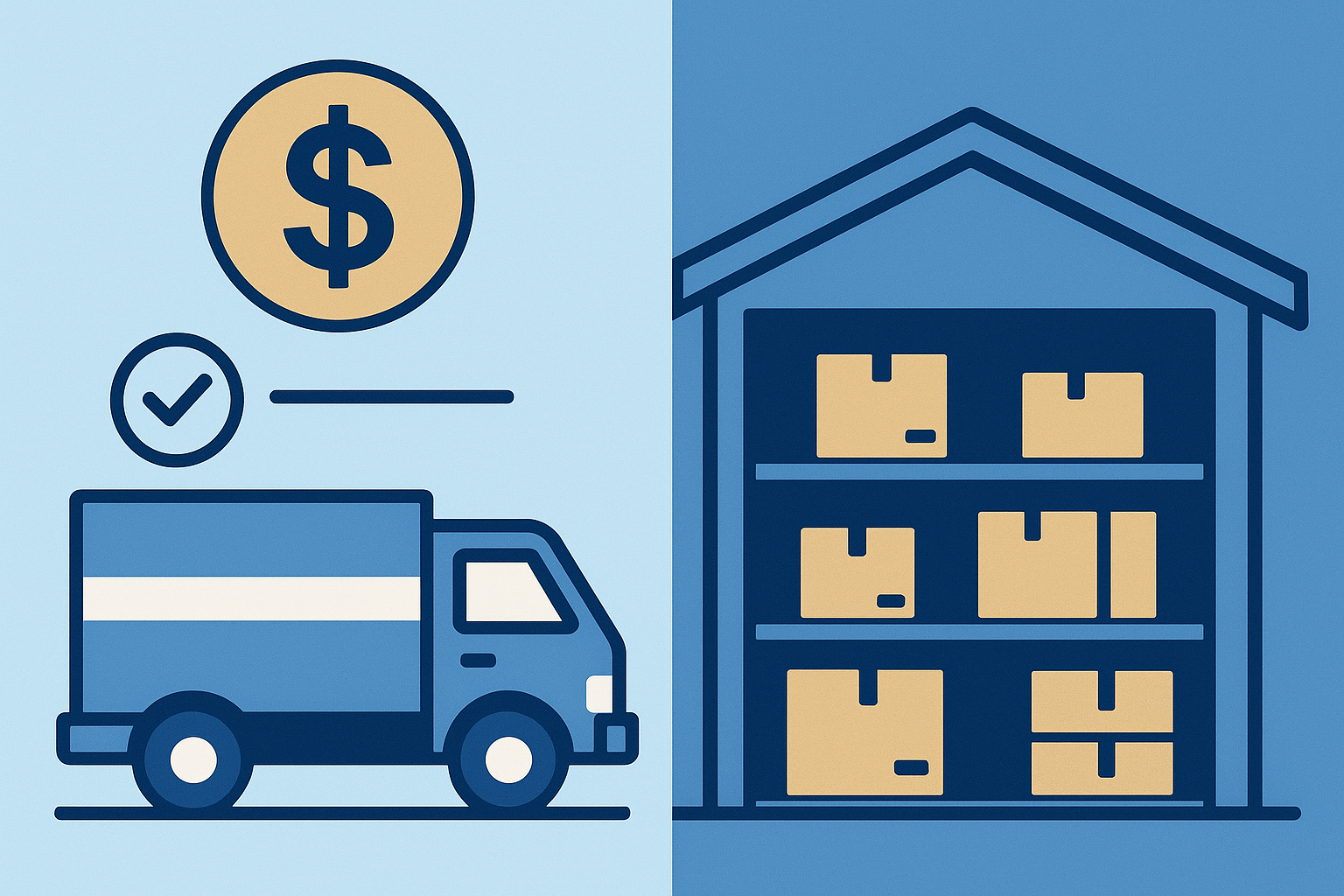
Different capital finance products suit different business needs, from equipment to inventory.
How to Qualify for Capital Finance: A 5-Step Process
Qualifying for capital finance is usually more straightforward than owners expect, especially for established companies with steady revenue. Below is the process most applicants follow.
- Review your financials. Pull three to six months of bank statements and review revenue trends before applying.
- Determine the funding amount and type. Decide whether you need a lump sum, a revolving line, or short-term emergency funds.
- Gather required documents. Have bank statements, tax returns, and a voided check ready to speed up underwriting.
- Compare lenders and submit your application. Request quotes, compare total repayment cost, and apply with the best fit.
- Review terms and accept funding. Confirm the schedule and total cost before signing, then receive your funds.
Businesses that need funding urgently for payroll or equipment can often move through this process in a single day. For a look at faster options, see where to get quick business funding for equipment and payroll.
Business Capital vs. Traditional Bank Loans
Traditional bank loans generally offer the lowest rates, but they also demand strong credit, several years of tax returns, and weeks of underwriting. In contrast, alternative business capital providers focus more heavily on current revenue and cash flow, which allows faster decisions.
Consequently, a business that cannot wait a month for a bank decision often turns to short-term loans, merchant cash advances, or revenue-based financing instead. According to the U.S. Small Business Administration, SBA-backed loans remain one of the lowest-cost options for qualified borrowers, though the tradeoff is a longer approval timeline compared with alternative capital finance products. For a deeper walkthrough, see our Best Small Business Loans With Fast Approval and Minimal Paperwork.
Choosing the Right Financing Partner for Your Business
Above all, the right lender should match your industry, revenue, and timeline rather than forcing you into a one-size-fits-all product. USA Patriot Loans, a disabled-veteran-owned company founded by Paul Giordano in November 2023, works with established businesses nationwide generating at least $20,000 in monthly revenue, offering SBA loans, working capital loans, business lines of credit, equipment financing, merchant cash advances, revenue-based financing, invoice financing, and same-day business funding.
Because every business situation is different, it also helps to understand how term structures compare before signing anything. For more background on working capital definitions, the Wikipedia entry on working capital offers useful foundational context alongside the resources on USA Patriot Loans.

Finding the right capital finance partner can speed up approval and funding timelines.
Frequently Asked Questions About Capital Finance
What does capital finance mean for a small business?
Capital finance means the funding tools a business uses to cover operating costs, buy equipment, or expand, such as loans, lines of credit, and revenue-based advances. It gives owners access to cash without waiting to save enough on their own. For a deeper walkthrough, see our Best Credit Cards for Business Owners: Top Picks 2026.
How does capital finance work?
Capital finance works by providing a lump sum or revolving credit line that a business repays over time, usually with interest or fees. Lenders review revenue, time in business, and cash flow before approving the amount.
Why do businesses need capital finance instead of using savings?
Businesses use capital finance because relying solely on savings can slow growth and drain cash reserves needed for emergencies. Financing spreads the cost over time so owners can invest and still cover payroll or inventory.
What is the difference between capital finance and a traditional bank loan?
Capital finance is a broad category that includes bank loans plus alternative products like merchant cash advances and revenue-based financing. Traditional bank loans tend to have stricter requirements and slower approval than many alternative capital finance options.
How much does capital finance typically cost?
Costs vary widely by product, ranging from single-digit annual rates on SBA loans to higher factor rates on short-term products. The final price depends on credit profile, revenue, and how quickly funds are needed.
How long does it take to get approved for capital finance?
Approval can take as little as 24 to 48 hours for short-term or same-day funding products, while SBA loans may take several weeks. Speed generally depends on the lender and documentation readiness. For a deeper walkthrough, see our Is USA Patriot Loans a Reliable Funding Source?.
What credit score is needed to qualify for capital finance?
Many alternative capital finance lenders accept credit scores in the mid-500s, while bank and SBA products usually require 650 or higher. Strong monthly revenue can sometimes offset a lower credit score.
What are the most common mistakes businesses make when seeking capital finance?
Common mistakes include applying without organized financials, borrowing more than needed, and not comparing total repayment costs across lenders. Rushing the process can also lead to accepting unfavorable terms.
What types of capital finance are available for equipment purchases?
Equipment financing and certain term loans are the most common capital finance tools for buying machinery, vehicles, or technology. These products often use the equipment itself as collateral, which can lower the rate.
Can startups qualify for capital finance?
Startups with limited operating history often have fewer options, but some revenue-based and invoice financing products consider recent sales instead of years in business. Most traditional capital finance lenders still prefer at least one to two years of operation.
What documents are needed to apply for capital finance?
Lenders typically request recent bank statements, tax returns, a driver’s license, and a voided business check. Some capital finance products require less paperwork in exchange for a higher rate.
Is capital finance the same as a merchant cash advance?
A merchant cash advance is one specific type of capital finance, not the entire category. Capital finance also includes term loans, lines of credit, invoice financing, and SBA-backed products.
What is the best capital finance option for fast funding?
Short-term business loans and merchant cash advances usually fund the fastest, often within one business day. Working capital loans and business lines of credit also move quickly once documentation is complete.
How do lenders decide how much capital finance to offer?
Lenders review monthly revenue, existing debt, time in business, and industry risk to set a funding amount. Businesses generating at least $20,000 per month in revenue generally qualify for larger offers.
Final Thoughts on Capital Finance
Ultimately, capital finance is not a single product but a toolbox of options designed to fit different business needs, timelines, and budgets. Whether the goal is covering payroll, buying equipment, or expanding into a new location, understanding the differences between working capital loans, lines of credit, equipment financing, and revenue-based advances helps owners choose wisely rather than settling for the first offer.
In the end, the fastest path to capital finance is preparation: organized financials, a clear funding goal, and a lender willing to work at the speed a growing business demands. Established companies generating at least $20,000 in monthly revenue can explore tailored options directly through USA Patriot Loans to find the right fit for their next stage of growth. For a deeper walkthrough, see our The Process for Getting Funded Through USA Patriot Loans.