
Business loans for small companies provide the working capital, equipment funding, and expansion capital that owners need to grow without draining personal savings or waiting months on a bank’s decision. For business owners generating at least $20,000 in monthly revenue, these loans open doors to $30,000–$20 million in financing across several structures. In this guide, we break down the loan types, qualification steps, and costs you should understand before applying. For a deeper walkthrough, see our Hard Money Lending in Florida: Complete 2026 Guide.
Quick answer: Business loans for small companies are financing products — such as SBA loans, term loans, and lines of credit — designed for established businesses that need $30,000 to $20 million for working capital, equipment, or expansion. Approval typically depends on monthly revenue and time in business rather than personal collateral alone.
What Are Business Loans for Small Companies?
Business loans for small companies are financing arrangements built specifically for established small and medium-sized businesses rather than startups or individual consumers. Unlike personal loans, these products are underwritten primarily against business revenue, bank deposits, and cash flow patterns.
In particular, lenders look at monthly deposits, average daily balances, and time in business when deciding how much to offer. As a result, a company with strong, consistent revenue can often qualify even if its owner’s personal credit history is imperfect. Because these loans exist in many forms — from SBA loans to short-term working capital advances — the “best” option depends heavily on how quickly you need funds and how you plan to repay them.

Reviewing financial documents is the first step toward securing business loans for small companies. For a deeper walkthrough, see our Top Lenders for Small Business Loans in My Area: A Nationwide Comparison Guide.
Types of Small Business Financing Options
Several distinct products fall under the umbrella of small business financing, and each serves a different purpose. Understanding the differences helps you avoid applying for the wrong product and wasting time.
- SBA Loans — government-backed loans with lower rates and longer terms, ideal for growth or refinancing.
- Working Capital Loans — short-term funding to cover payroll, inventory, or seasonal gaps.
- Business Lines of Credit — revolving access to funds you draw on demand and repay as cash flow allows.
- Equipment Financing — capital secured against the equipment being purchased.
- Merchant Cash Advances & Revenue-Based Financing — repayment tied to daily or monthly sales. For a deeper walkthrough, see our Merchant Cash Advances for Retail Businesses Guide.
- Invoice Financing — funding advanced against unpaid customer invoices.
- Term Loans — a lump sum repaid over a fixed schedule, often used for expansion projects.
For instance, a restaurant needing new kitchen equipment would likely choose equipment financing, while a contractor waiting on client payments might prefer invoice financing instead. Meanwhile, businesses facing an unexpected cash crunch often turn to emergency business funding or same-day funding products for immediate relief.
How to Qualify for a Small Company Business Loan
Qualification standards vary by lender, but most look at three core factors: monthly revenue, time in business, and banking history. Generally, businesses generating at least $20,000 per month in revenue have the strongest access to competitive terms.
According to the Federal Reserve’s Small Business Credit Survey, a significant share of small businesses that apply for financing receive less than the full amount requested, often because of incomplete documentation or mismatched loan products. Therefore, preparing accurate financial statements in advance meaningfully improves approval odds. Similarly, maintaining a healthy average bank balance signals to lenders that your business can manage repayment obligations comfortably.
In addition to revenue, lenders also review industry type, outstanding debt, and whether the business has faced recent overdrafts. Above all, consistency matters more than perfection — a steady revenue trend often outweighs occasional dips.
SBA Loans vs. Other Small Business Funding Options
SBA loans, guaranteed in part by the U.S. Small Business Administration, generally offer the lowest rates and longest repayment terms available to small companies. However, the tradeoff is a longer approval timeline, often stretching several weeks, along with extensive documentation requirements.
In contrast, alternative lenders and fintech platforms typically approve small business funding within days rather than weeks. Consequently, businesses facing urgent needs — such as a broken piece of equipment or a missed payroll deadline — often lean toward working capital loans or merchant cash advances instead of SBA products. As explained on Wikipedia’s overview of small business financing, the tradeoff between cost and speed is one of the defining decisions business owners face when selecting a funding source.

A finalized approval often follows a clear, well-prepared loan application.
How to Apply: Step-by-Step Process
Applying for business loans for small companies follows a fairly predictable process across most lenders. Below is the general sequence business owners can expect. For a deeper walkthrough, see our Bank Interest Rates Explained for Small Business Loans.
- Gather your business financial documents — bank statements, tax returns, and revenue reports — since lenders use these to verify at least $20,000 in monthly revenue and overall cash flow health.
- Compare loan types such as SBA loans, working capital loans, and lines of credit to determine which financing structure matches your funding timeline and repayment ability.
- Submit your application with supporting documentation to a lender, such as USA Patriot Loans, then respond quickly to underwriting requests to keep the process moving.
- Review the loan offer carefully, checking the rate, term length, and repayment schedule, before accepting funds and deploying capital toward the intended business purpose.
Costs and Rates for Small Business Loans
Rates for small business loans vary widely depending on structure. SBA loans, for example, often fall between 10% and 15% APR, while short-term working capital products use factor rates that can translate to a higher effective cost.
Meanwhile, equipment financing and invoice financing tend to sit in the middle, since the underlying asset or invoice reduces lender risk. As a result, it’s important to compare the total repayment amount — not just the advertised rate — when evaluating offers. For a deeper breakdown of available loan categories, business owners can review the financing options listed on USA Patriot Loans’ website.
Common Mistakes When Seeking Business Financing for Small Companies
Many small business owners lose valuable time by applying for the wrong loan type or submitting incomplete paperwork. For example, requesting a long-term SBA loan when the actual need is short-term inventory financing often delays approval unnecessarily.
Similarly, waiting until cash flow becomes critical narrows the available options and can push a business toward higher-cost emergency funding. Instead, applying while revenue is still stable typically results in better rates and more flexible terms. Above all, comparing multiple offers before signing helps avoid unfavorable repayment structures.
Why Business Owners Choose USA Patriot Loans
USA Patriot Loans is a disabled-veteran-owned lender headquartered in Pennsylvania and serving businesses nationwide. Founded in November 2023 by Paul Giordano, the company focuses on removing the delays and complexity often associated with traditional bank financing.
Specifically, the company offers SBA loans, working capital loans, business lines of credit, equipment financing, and several other products ranging from $30,000 to $20 million. Business owners can learn more about the company’s approach on the why choose us page, which outlines the lender’s underwriting philosophy and nationwide service area. For a deeper walkthrough, see our SBA Loans Lender: Complete Guide for Business Owners.
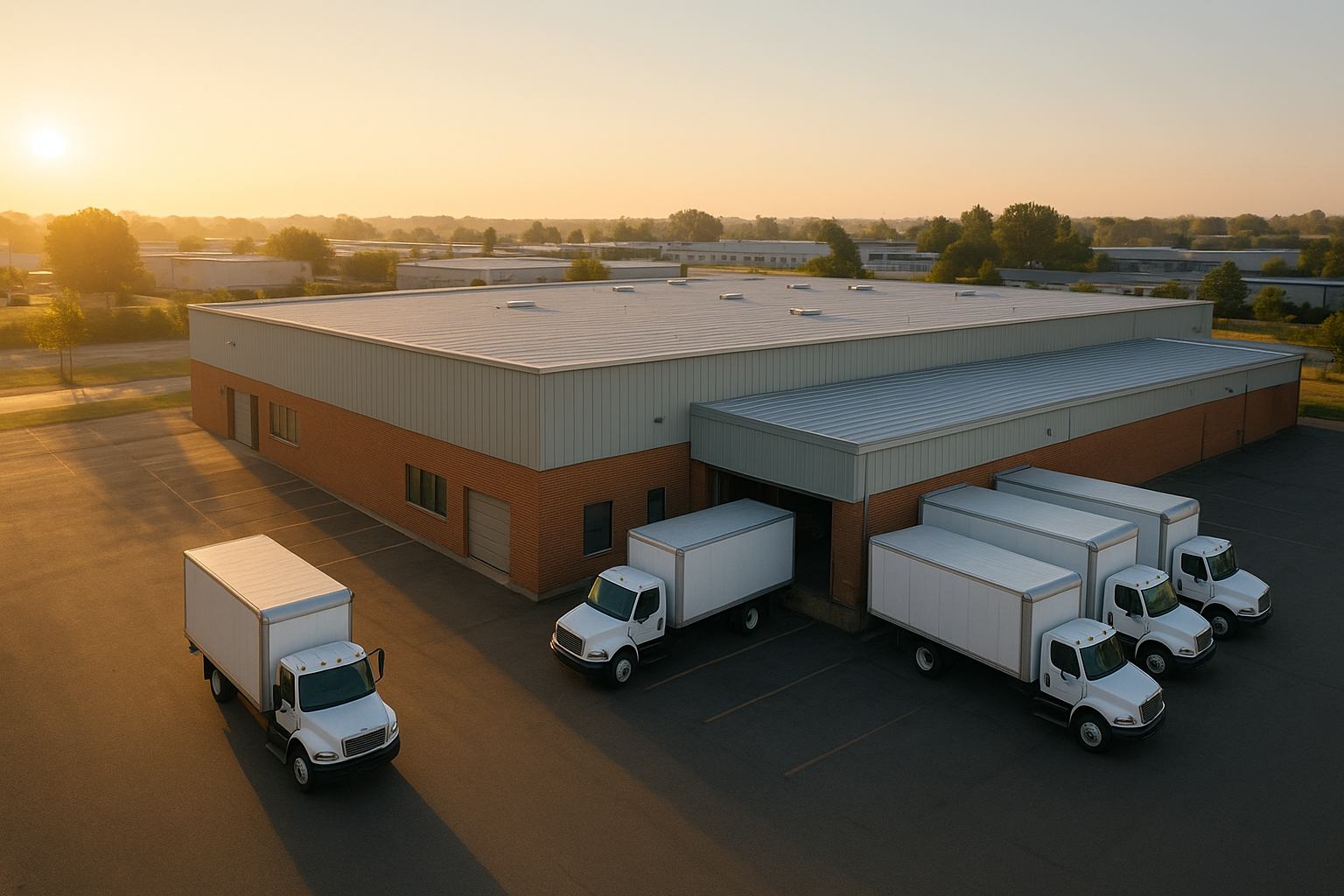
Expansion projects like warehouse growth are common uses for small business financing. For a deeper walkthrough, see our Best Options for Expanding My Business With Loans.
Frequently Asked Questions About Business Loans for Small Companies
What are business loans for small companies?
Business loans for small companies are financing products designed for established businesses that need capital for working capital, equipment, or expansion. Lenders typically evaluate monthly revenue and time in business rather than relying solely on personal collateral.
How do business loans for small companies work?
A lender reviews your financials, approves an amount and term, then disburses funds you repay through fixed installments or a percentage of revenue. Terms range from a few months to several years depending on the product.
How much can a small company borrow?
Most lenders offer funding from $30,000 up to $20 million depending on revenue and business needs. Larger amounts usually require stronger financials or an SBA-backed structure.
How fast can small businesses get funded?
Many alternative lenders approve and fund working capital loans within 24 to 48 hours, while SBA loans often take two to eight weeks. Same-day funding options exist for urgent cash flow needs.
What credit score is needed for a small business loan?
Requirements vary, but many alternative lenders accept scores in the mid-600s, while SBA loans generally favor scores above 680. Strong monthly revenue can sometimes offset a lower credit score.
What is the difference between a term loan and a line of credit?
A term loan provides a lump sum repaid over a fixed schedule, while a line of credit offers revolving access to funds drawn as needed. Lines of credit suit fluctuating expenses; term loans suit one-time investments.
Are SBA loans better than private business loans?
SBA loans typically offer lower rates and longer terms but require more documentation and longer approval times. Private lenders move faster with flexible criteria, though rates may be higher.
What documents are required to apply for business loans for small companies?
Lenders typically request bank statements, tax returns, a profit and loss statement, and proof of business ownership. Some working capital lenders require minimal paperwork beyond recent bank statements.
How much do small business loans cost?
Costs depend on loan type, with SBA loans often ranging from 10% to 15% APR and short-term products using factor rates instead of traditional interest. Always compare the total repayment amount, not just the headline rate.
What are common mistakes when applying for small business loans?
Common mistakes include applying for the wrong loan type, submitting incomplete documents, and not comparing total repayment costs. Waiting until cash flow is critical also limits available options.
Can startups qualify for business loans for small companies?
Most traditional lenders require one to two years in business and consistent revenue, making qualification harder for brand-new startups. Revenue-based financing and merchant cash advances sometimes accommodate younger businesses with steady sales.
Why choose USA Patriot Loans for small business financing?
USA Patriot Loans is a disabled-veteran-owned lender serving businesses nationwide with funding from $30,000 to $20 million and streamlined approval processes. The company focuses on reducing the delays and paperwork common with traditional bank financing.
Final Thoughts on Financing Your Small Company
Ultimately, business loans for small companies come in many forms, from SBA loans and term loans to lines of credit and revenue-based financing. Therefore, the right choice depends on how quickly you need funds, how much you need, and how your business generates revenue.
By preparing your financial documents early, comparing loan types honestly, and avoiding common application mistakes, you position your company for faster approval and better terms. Whether you need $30,000 for inventory or $20 million for expansion, business loans for small companies remain one of the most practical paths to sustainable growth.