
A small business financing loan is often the fastest route for an established company to cover payroll, restock inventory, or fund expansion without waiting months for a traditional bank’s decision. Unlike consumer credit products, this type of funding is built around a company’s revenue, cash flow, and time in business rather than personal spending history. In this guide, you will learn what a small business financing loan actually is, which types exist, how to qualify, and how to choose a lender that fits your timeline and budget.

Understanding your options is the first step toward securing a small business financing loan.
What Is a Small Business Financing Loan?
A small business financing loan is capital a lender provides to a company so it can cover operating costs, purchase equipment, or grow operations, with repayment made over an agreed schedule. Terms range from a few months to several years, and the right structure depends on how quickly you need funds and how you plan to use them.
In practice, “financing loan” is an umbrella term. It covers everything from a traditional term loan repaid monthly over several years, to a short-term working capital loan repaid in weeks. Consequently, the definition matters less than matching the product to your business’s cash flow pattern. A seasonal retailer, for example, has very different needs than a contractor waiting on unpaid invoices.
According to the Federal Reserve’s 2023 Small Business Credit Survey, roughly 65% of small employer firms applied for financing that year, and the majority cited covering operating expenses as their top reason. This confirms that financing loans are a routine business tool, not a last resort.
Types of Business Funding Options to Consider
Before applying, it helps to understand the main categories of business funding available today. Each option balances speed, cost, and eligibility differently.
SBA Loans and Term Loans
SBA loans are partially guaranteed by the U.S. Small Business Administration, which allows lenders to offer lower rates and longer repayment terms. However, SBA loans generally require more documentation and a longer approval timeline than alternative products. Term loans work similarly but come from private lenders, trading some rate flexibility for a faster process.
Working Capital Loans and Lines of Credit
Working capital loans are designed to cover day-to-day operating costs like payroll, rent, or supplies rather than long-term investments. A business line of credit, in contrast, gives you a revolving credit limit you can draw from repeatedly, paying interest only on what you use. Both options are popular for businesses managing uneven cash flow throughout the year.
Equipment Financing and Invoice Financing
Equipment financing uses the purchased equipment as collateral, which often results in lower rates than unsecured products. Invoice financing, meanwhile, lets a business borrow against unpaid invoices, freeing up cash that is otherwise tied up waiting on customer payments. Both are practical for asset-heavy or B2B businesses with long payment cycles.
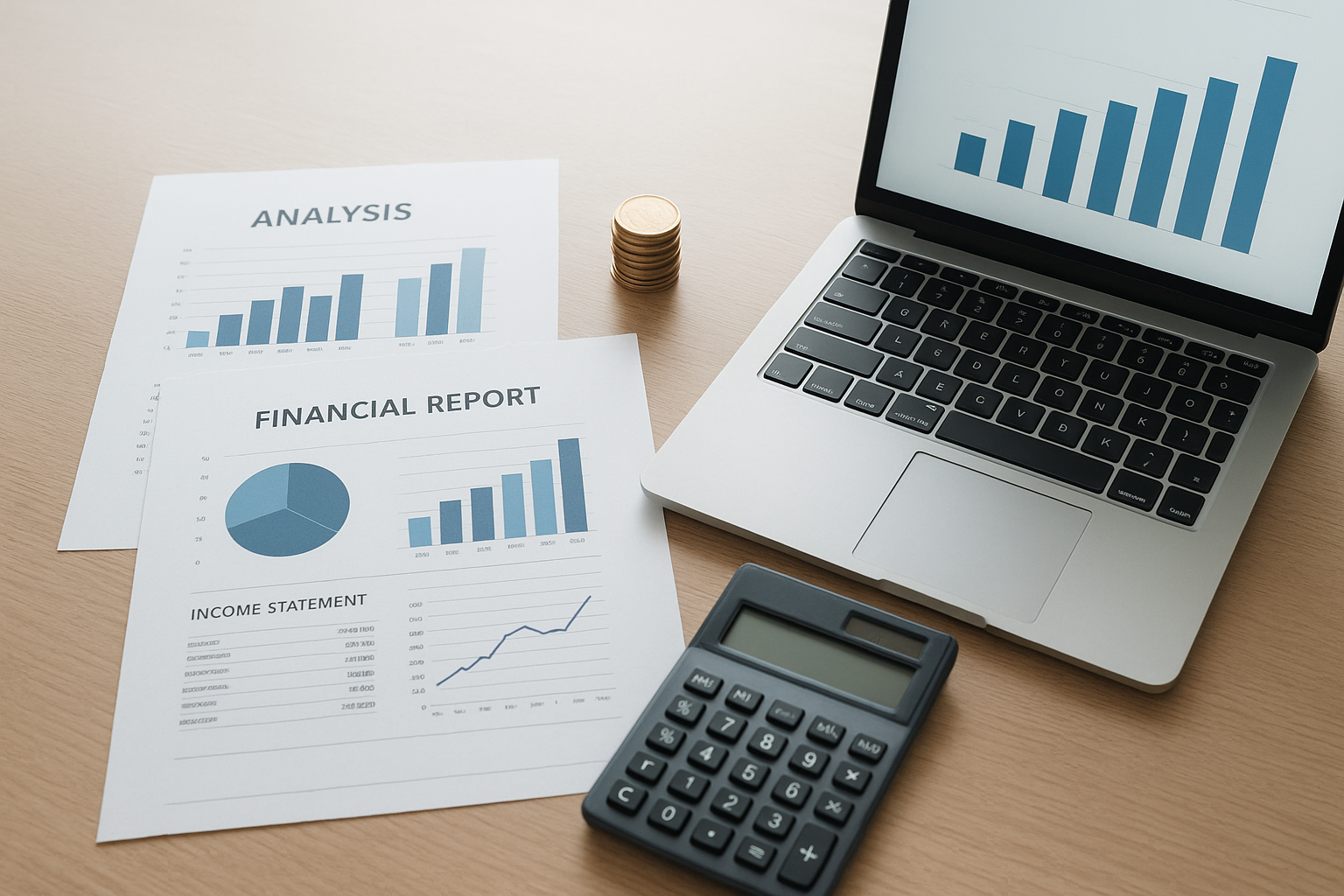
Comparing loan types side by side helps you find the right small business financing loan for your situation.
How to Qualify for a Small Business Loan
Qualifying for financing is more straightforward when you understand what lenders actually review. Most underwriters focus on monthly revenue, time in business, and credit profile rather than requiring perfect financials.
- Assess your funding needs. Calculate exactly how much capital you need and how you’ll use it, so you target the right loan amount and product.
- Check eligibility requirements. Most lenders expect at least $20,000 in monthly revenue and six months to two years in business, though thresholds vary.
- Gather required documentation. Bank statements, tax returns, and a profit and loss statement should be ready before you apply.
- Compare loan types and lenders. Weigh repayment terms and total cost across at least two or three options.
- Submit your application. Respond quickly to any underwriting follow-up requests to avoid unnecessary delays.
- Review and accept your offer. Read every term carefully before signing, including rate, fees, and repayment frequency.
Above all, accuracy matters more than perfection. As a result, businesses with modest credit scores can still qualify if revenue and cash flow are strong and consistent.
How Fast Can You Get Small Business Funding?
Funding speed varies dramatically depending on the loan type. SBA loans and traditional bank term loans typically take several weeks to a few months due to extensive underwriting. In contrast, alternative lenders offering working capital loans, merchant cash advances, or revenue-based financing can often approve and disburse funds within 24 to 48 hours.
Same-day business funding is also available for urgent situations, such as covering an unexpected repair or a time-sensitive inventory purchase. Therefore, if timing is your biggest constraint, it’s worth prioritizing lenders that specialize in fast turnaround over the lowest possible rate.
For a deeper explanation of financing terminology and structures, the Wikipedia overview of business loans offers useful background on how different repayment structures work.
Choosing the Right Lender for Your Small Business Financing Loan
Not every lender fits every business. Specifically, you should compare minimum revenue thresholds, funding speed, industry specialization, and total repayment cost before signing an agreement. A lender familiar with your industry is often better equipped to structure financing around your actual cash flow patterns.
USA Patriot Loans is a disabled-veteran-owned, nationwide business lender founded in November 2023 by Paul Giordano. Headquartered in Pennsylvania, the company serves businesses across all 50 states, offering financing amounts from $30,000 up to $20 million across products including SBA loans, working capital loans, business lines of credit, equipment financing, invoice financing, and same-day business funding. Businesses generating at least $20,000 in monthly revenue may explore their options through the why choose us overview to compare funding approaches before applying.
In addition, always confirm licensing and read the full repayment terms before committing. The U.S. Small Business Administration’s official resource center is a helpful independent reference point when comparing lender claims against government guidance.

A finalized agreement marks the last step of the small business financing loan process. For a deeper walkthrough, see our How Do I Get a Line of Credit for My Small Business? A Step-by-Step Guide.
Frequently Asked Questions About Small Business Financing Loan
What is a small business financing loan?
A small business financing loan is capital provided by a lender to help a company cover expenses like payroll, inventory, equipment, or expansion. Repayment terms, funding speed, and eligibility requirements vary by loan type and lender.
How does a small business financing loan work?
You apply with financial documents, the lender reviews revenue and creditworthiness, and funds are disbursed once approved. Repayment usually happens through fixed monthly, weekly, or daily payments depending on the product.
Why do small businesses need financing loans?
Businesses use financing to smooth out cash flow gaps, purchase equipment, hire staff, or seize growth opportunities without depleting cash reserves. Financing can also bridge slow-paying invoices or seasonal revenue dips.
What is the difference between a small business financing loan and a merchant cash advance?
A traditional loan provides a lump sum repaid over a fixed term with set payments, while a merchant cash advance is repaid as a percentage of daily sales. Loans generally cost less, but cash advances can fund faster for businesses with strong card sales.
How much does a small business financing loan cost?
Costs vary widely by product, ranging from single-digit interest rates on SBA loans to higher factor rates on short-term or alternative financing. Total cost depends on your credit profile, revenue, and time in business.
How long does it take to get approved?
Alternative lenders can often approve and fund within 24 to 48 hours, while SBA and bank loans typically take several weeks to a few months. Same-day funding options exist for urgent needs.
What are common mistakes when applying for small business financing?
Common mistakes include applying without organized financial statements, underestimating how much capital is needed, and skipping comparisons between loan types. Applying to too many lenders at once can also hurt your credit profile.
What documents do I need for a small business financing loan?
Most lenders request bank statements, tax returns, and a profit and loss statement, plus proof of time in business. Some products also require a business plan or collateral documentation.
Can startups qualify for a small business financing loan?
Startups with limited operating history typically have fewer options and may need revenue-based financing or equipment financing instead of SBA or term loans. Lenders generally prefer at least one to two years of consistent revenue.
What credit score is needed for a small business financing loan?
Requirements vary, but many alternative lenders accept credit scores in the mid-500s and above, while SBA and bank loans usually require 650 or higher. Strong monthly revenue can sometimes offset a lower credit score.
Is collateral required for a small business financing loan?
Not always. Working capital loans and merchant cash advances are often unsecured, while equipment financing and commercial hard money loans typically use the asset itself as collateral. For a deeper walkthrough, see our Hard Money Lending in Florida: Complete 2026 Guide.
What is the difference between SBA loans and other small business loans?
SBA loans are partially guaranteed by the Small Business Administration, allowing lower rates and longer terms but requiring more paperwork. Alternative small business loans fund faster but usually cost more overall.
How much can I borrow with a small business financing loan?
Loan amounts commonly range from $30,000 to $20 million depending on the lender, loan type, and your business’s monthly revenue and financial history. Larger amounts typically require stronger documentation.
What happens if I am denied a small business financing loan?
If denied, ask the lender for the specific reason, since it often relates to time in business, revenue, or credit. Many businesses then qualify with an alternative lender offering more flexible underwriting.
How do I choose the best lender for a small business financing loan?
Compare funding speed, total repayment cost, minimum revenue requirements, and customer support before committing. Working with a lender that specializes in your industry can also improve approval odds.
Final Thoughts
Ultimately, a small business financing loan works best when it’s matched to your actual cash flow needs rather than chosen based on the lowest advertised rate alone. Whether you need an SBA loan for long-term growth, a working capital loan to smooth out slow months, or same-day funding for an emergency expense, understanding the options above puts you in a stronger negotiating position. Before signing any agreement, compare at least two lenders, read every term closely, and confirm the total repayment cost. With the right preparation, securing a small business financing loan can be a fast, manageable step toward growing your company rather than a stressful last resort.